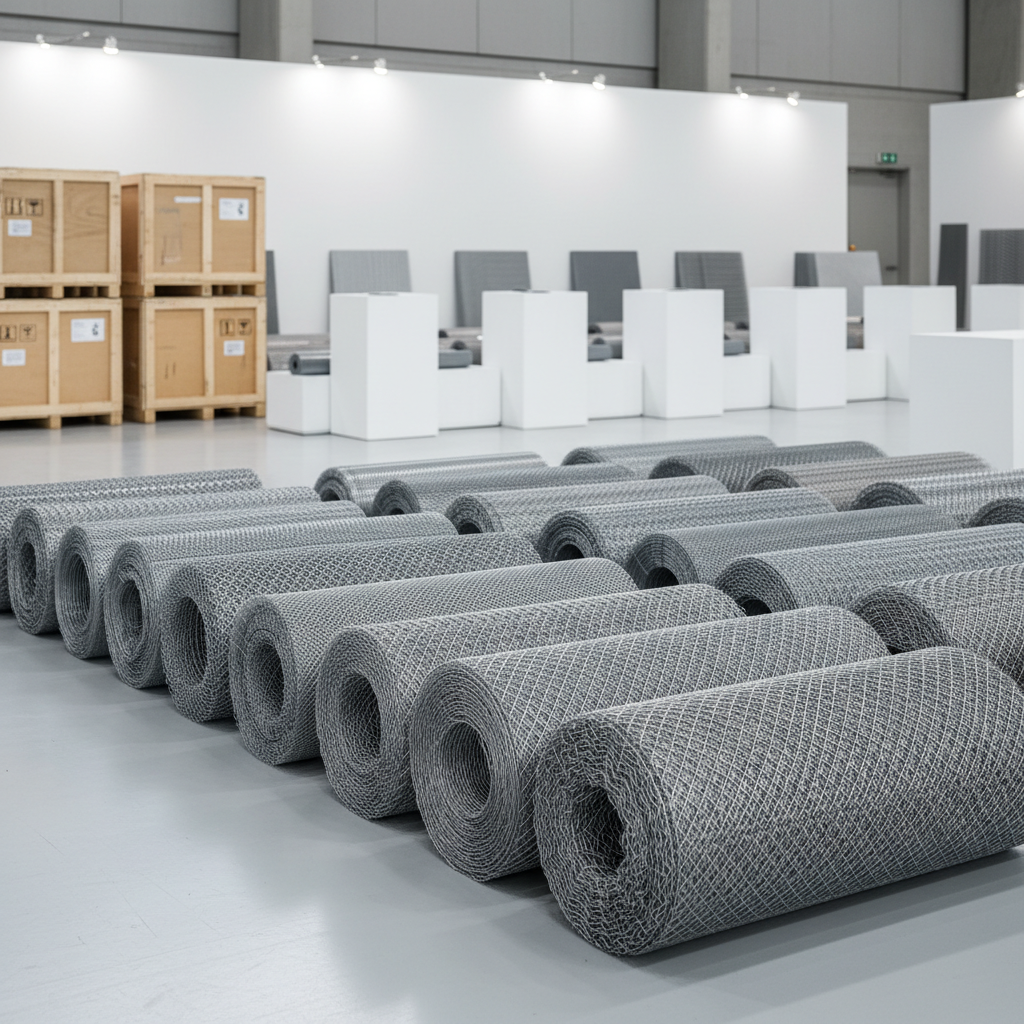
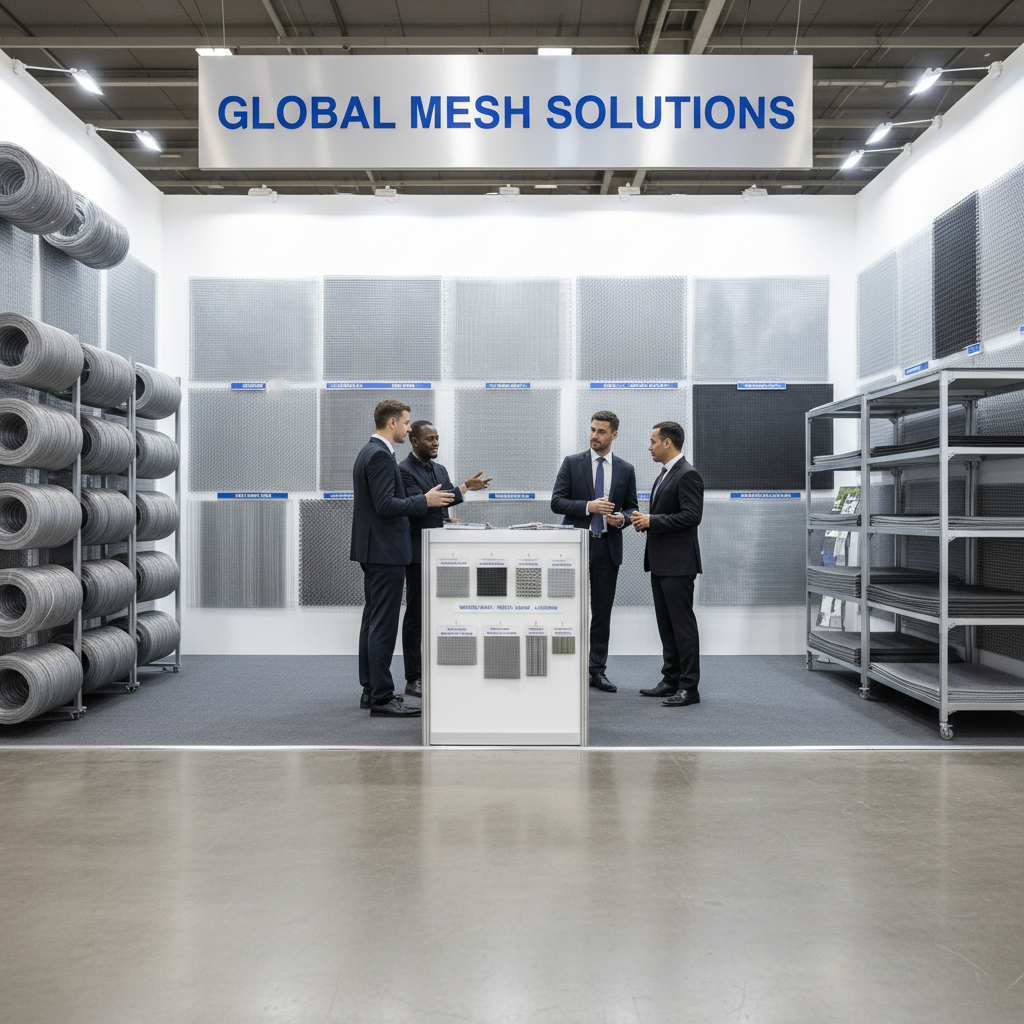
Selecting the right wire mesh company is a critical decision for any industrial, commercial, or residential project requiring secure perimeter protection. From high-security airport fences to sustainable gabion mesh for erosion control, the quality of the materials and the precision of the manufacturing process directly impact the longevity and safety of the installation. In an era where infrastructure must withstand both environmental stressors and security threats, understanding the technical nuances of wire products is essential.
Across the globe, the demand for advanced fencing solutions has surged, driven by the expansion of logistics hubs, the modernization of military barriers, and the increasing need for privacy fencing in urban areas. A professional wire mesh company does more than just weave wires; they engineer systems that balance transparency, strength, and aesthetic appeal, ensuring that every weld and coating meets international ISO standards.
Whether you are looking for the anti-climb properties of a 358 3D Metal Fence or the flexibility of a chain link system, the choice of supplier determines your total cost of ownership. This guide explores the industry landscape, the core components of high-quality mesh production, and how to evaluate a partner that can provide scalable, durable, and cost-effective security solutions for the long term.
Global Relevance of a Wire Mesh Company
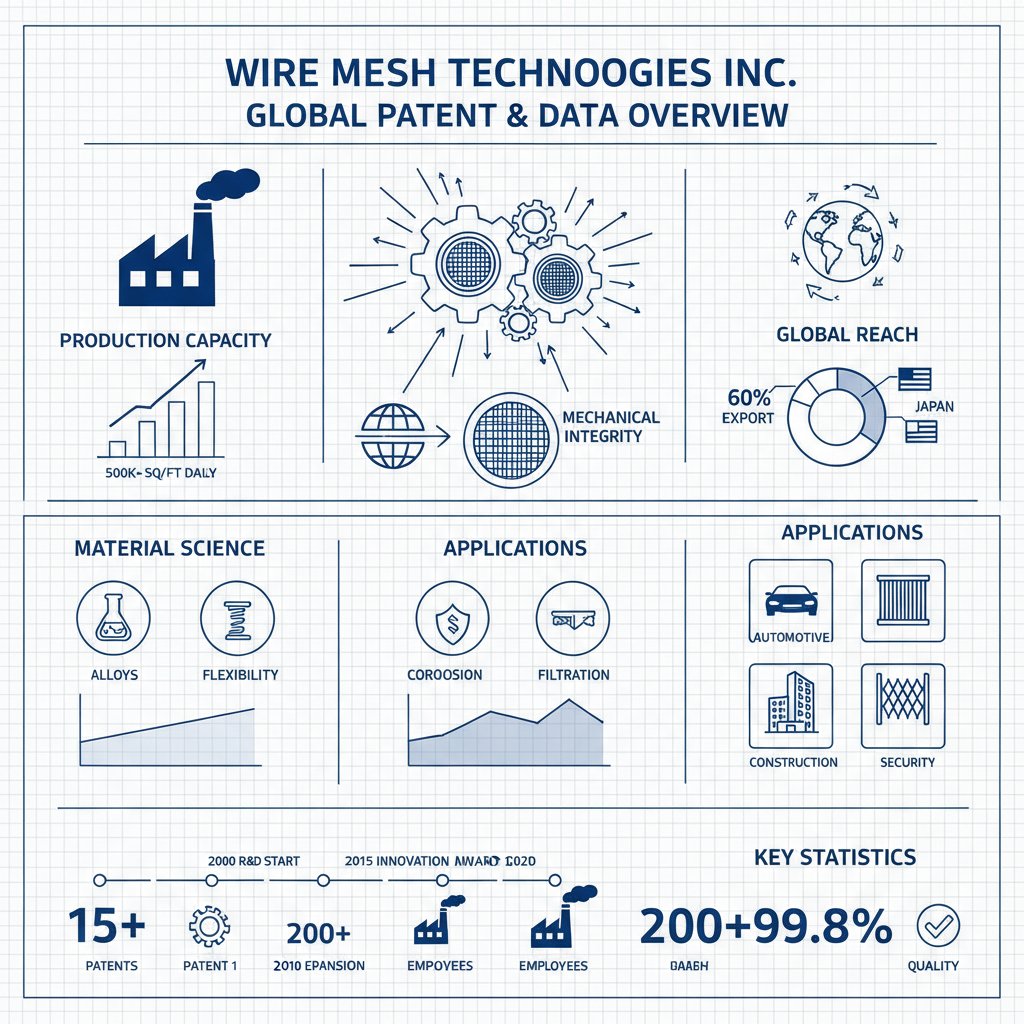
In the current global industrial climate, the role of a wire mesh company extends far beyond simple manufacturing. With the rapid urbanization of developing nations and the tightening of security protocols in developed ones, wire mesh products have become foundational to civil engineering. Data from international trade monitors suggests that the demand for galvanized and stainless steel fencing is growing at a steady CAGR, reflecting a global push toward permanent, low-maintenance infrastructure.
The primary challenge facing the industry is the balance between extreme durability and environmental impact. Modern projects no longer accept "one size fits all" solutions; they require customized specifications—such as specific aperture sizes for airport fences or precise tensile strengths for military barriers—to mitigate risks while optimizing material usage. This is where a specialized manufacturer becomes a strategic partner rather than a mere vendor.
Defining the Role of a Wire Mesh Company
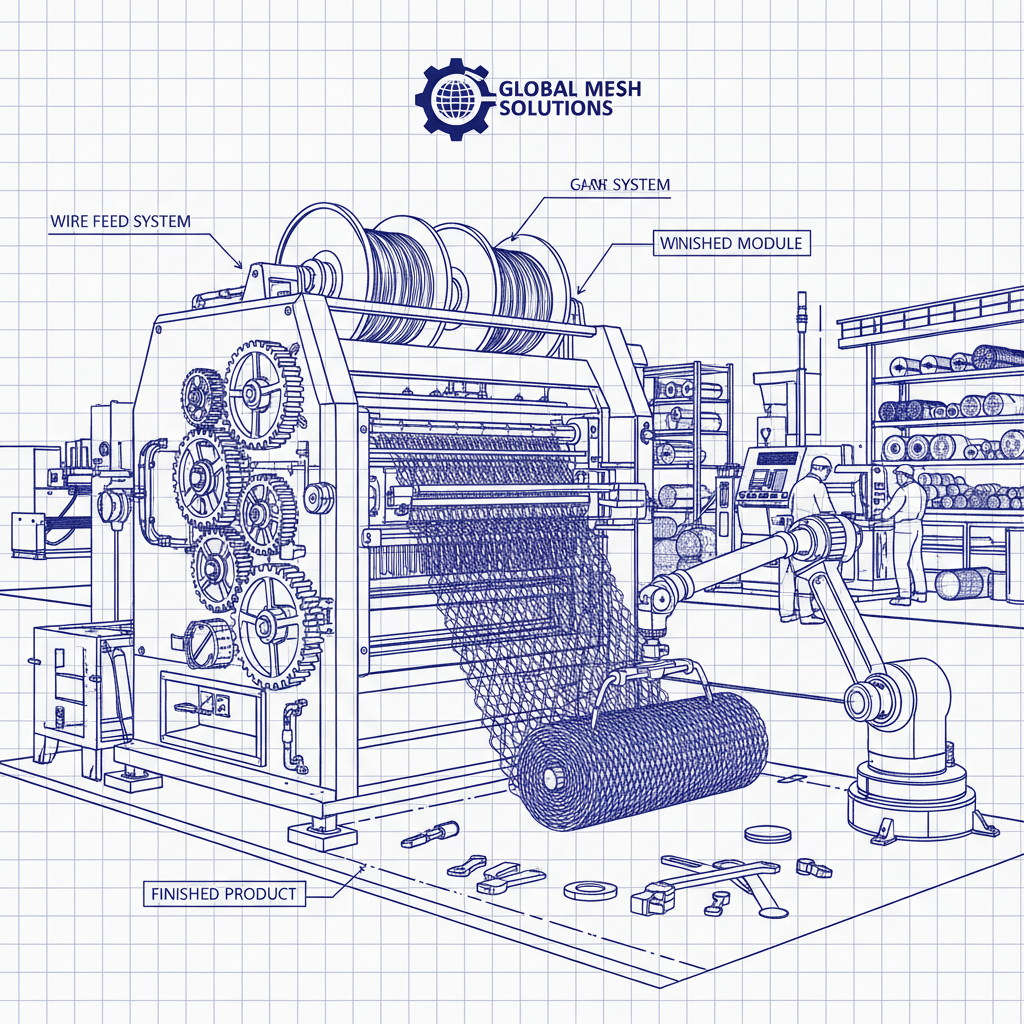
At its core, a wire mesh company is an entity that specializes in the drawing, weaving, and welding of metal wires to create structured grids used for enclosure, filtration, and reinforcement. These companies utilize advanced metallurgy to produce everything from delicate stainless steel woven mesh for industrial filtration to heavy-duty palisade fences for high-security zones. The process involves precise control over wire gauge, mesh size, and coating thickness.
In the context of modern industry, these companies provide the "skeleton" for safety. Whether it is Geomat for soil stabilization or zinc steel fences for livestock management, the output of a wire mesh company is what separates a secure site from a vulnerable one. Their work is intrinsically linked to humanitarian needs, such as providing secure boundaries for refugee camps or preventing soil erosion in flood-prone regions using gabion mesh.
Beyond the physical product, a leading manufacturer provides the engineering expertise to select the right material for the right environment. For instance, choosing between hot-dipped galvanization and powder coating can be the difference between a fence that lasts ten years and one that lasts fifty, especially in coastal areas where salt-spray corrosion is a constant threat.
Core Components of Quality Mesh Production
The first pillar of a reputable wire mesh company is Material Integrity. The use of high-grade carbon steel or 316L stainless steel ensures that the resulting product can withstand mechanical stress without deformation. This is particularly vital for 3D metal fences where the "V" bends provide structural rigidity that prevents the mesh from sagging over long spans.
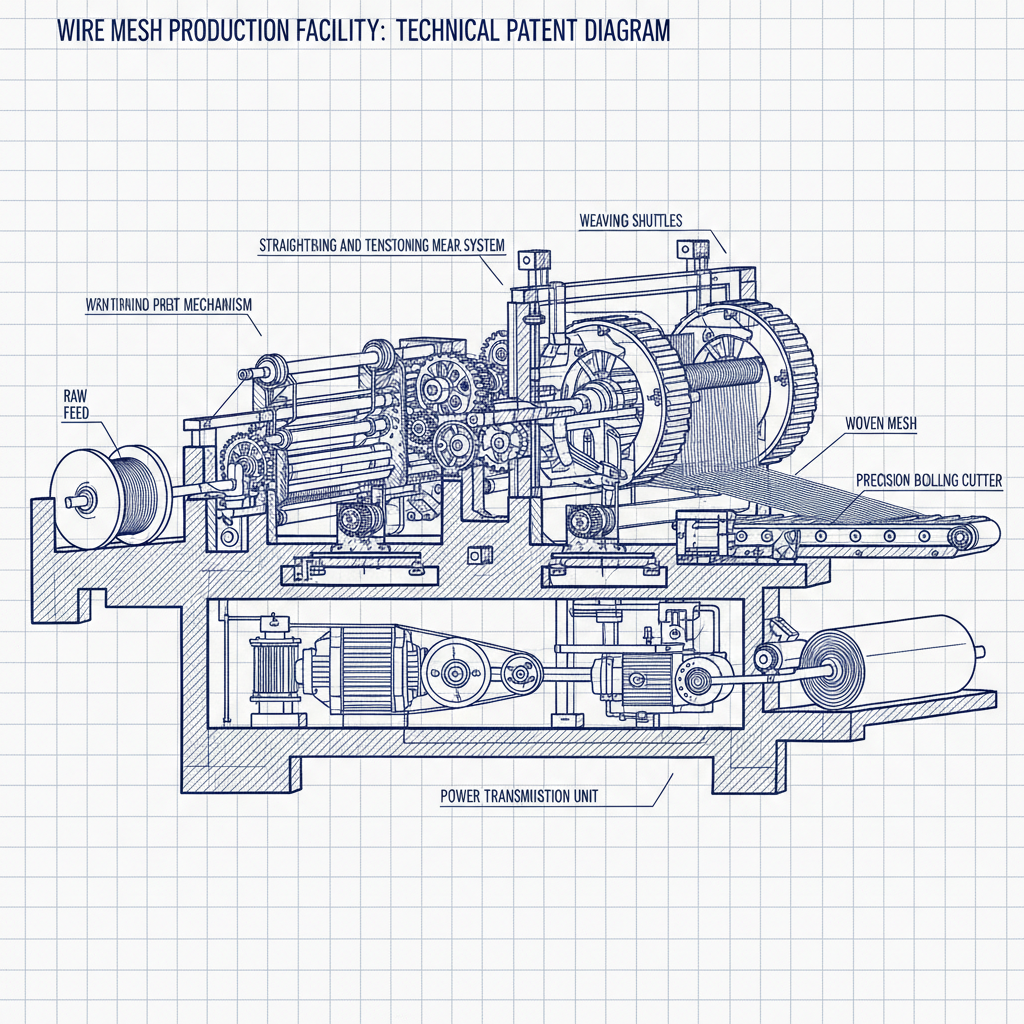
Secondly, the precision of the Welding and Weaving process defines the product's reliability. In a professional wire mesh company, automated CNC welding ensures that every intersection is fused with consistent strength. This eliminates weak points that could be exploited by intruders or fail under the pressure of wind loads in high-altitude installations.
Finally, Surface Treatment is the ultimate defense against the elements. Leading manufacturers employ multi-stage coating processes, including zinc phosphating and UV-resistant powder coating. This ensures that products like privacy fences or temporary fences maintain their aesthetic appeal and structural integrity even when exposed to harsh chemicals or extreme weather conditions.
Performance Metrics in Mesh Engineering
Evaluating the output of a wire mesh company requires a data-driven approach. Key performance indicators (KPIs) typically include tensile strength, corrosion resistance (measured in hours of salt spray testing), and weld shear strength. For high-security products like the 358 mesh, the "anti-climb" and "anti-cut" ratings are the most critical metrics, as they determine the time it takes for a breach to occur.
By quantifying these attributes, engineers can match the product to the risk level of the site. For example, a military barrier requires a higher impact rating than a horse fence, while a stainless steel woven mesh used in a chemical plant requires an extreme corrosion resistance score. The following chart illustrates the relative performance ratings of different product categories typical of a diverse wire mesh company.
Wire Mesh Product Performance Comparison
Global Applications and Use Cases
The versatility of a wire mesh company is best seen in its diverse applications. In the aviation sector, airport fences are engineered to prevent wildlife incursions and unauthorized human access, utilizing high-visibility yet impenetrable mesh. In the energy sector, power substations rely on aluminum fencing and weld mesh to ensure electrical safety while maintaining airflow and visibility for monitoring.
Furthermore, in environmental engineering, gabion mesh is used globally for riverbank stabilization and landslide prevention. In remote industrial zones, such as mining sites in Australia or oil rigs in the Middle East, the ability of a wire mesh company to provide corrosion-resistant, modular fencing allows for rapid deployment in areas where traditional concrete walls would be too costly or impractical to build.
Long-term Value and Sustainable Advantages
Investing in products from a top-tier wire mesh company provides significant long-term financial value. While low-cost alternatives may seem attractive initially, they often succumb to rust and structural failure within a few years. High-quality zinc steel or stainless steel options reduce the frequency of replacements and the cost of ongoing maintenance, offering a much lower total cost of ownership over a 20-year lifecycle.
Sustainability is another critical angle. Modern wire mesh is almost entirely recyclable. A responsible wire mesh company implements "green" manufacturing processes, reducing waste during the cutting phase and using non-toxic powder coatings. This aligns with global ESG (Environmental, Social, and Governance) goals, making these products the preferred choice for government-funded "Green City" initiatives.
Beyond the logic of cost and ecology, there is the emotional value of trust and safety. Knowing that a perimeter is secured by industry-leading weld mesh provides peace of mind to facility managers and residents alike. This reliability fosters an environment of security and dignity, particularly in sensitive areas like residential privacy fences or protected heritage sites.
Future Trends in Wire Mesh Technology
The future of the wire mesh company is being shaped by digital transformation and materials science. We are seeing the integration of "smart fencing," where sensors are embedded into the weld mesh to detect vibrations or cutting attempts in real-time. This merges physical security with digital surveillance, creating an active defense system rather than a passive barrier.
Automation in manufacturing is also reaching new heights. AI-driven quality control systems can now detect microscopic flaws in a weld or a coating gap that the human eye would miss, ensuring that every panel leaving the factory is flawless. Additionally, the development of new alloys—such as ultra-high-strength, low-alloy steels—is allowing for thinner wires that provide the same strength as thicker traditional wires, reducing the overall weight and carbon footprint of transportation.
As we move toward more sustainable urbanism, the use of wire mesh in architectural design is expanding. From vertical gardens supported by stainless steel mesh to lightweight temporary fences for rapid urban redevelopment, the wire mesh company is evolving from a security provider into an architectural partner.
Comparative Analysis of Wire Mesh Material and Application
| Material Type |
Primary Application |
Corrosion Resistance |
Security Level |
| Hot-Dipped Galvanized |
Agricultural/Industrial |
High |
Medium |
| Stainless Steel 316 |
Marine/Chemical Plants |
Extreme |
High |
| Powder Coated Steel |
Urban/Residential |
Medium-High |
Medium |
| PVC Coated Wire |
Sports Courts/Parks |
High |
Low-Medium |
| High-Tensile Alloy |
Military/Prisons |
Medium |
Extreme |
| Aluminum Alloy |
Coastal/Decorative |
Extreme |
Low-Medium |
FAQS
When selecting a provider for high-security needs, look for certifications like ISO 9001 and a portfolio that includes 358 anti-climb mesh or palisade fencing. A professional company should provide technical data sheets specifying the weld strength and wire gauge. Ask about their coating process; for high-security sites, a combination of hot-dip galvanizing and powder coating is usually recommended to prevent rust from weakening the structural points.
Yes, the initial cost is higher due to the raw material price of chromium and nickel. However, in corrosive environments—such as salt-water coastlines or chemical processing plants—stainless steel is more cost-effective over time. It eliminates the need for periodic repainting or replacement, meaning the "lifetime cost" is often lower than that of galvanized steel which may eventually rust through.
Absolutely. Specialized manufacturers can produce custom mesh openings ranging from microscopic gaps for industrial filtration to wide apertures for gabion baskets. By adjusting the weaving pattern and wire diameter, they can create a mesh that allows specific fluids or particles to pass through while blocking others, tailored to your exact technical specifications.
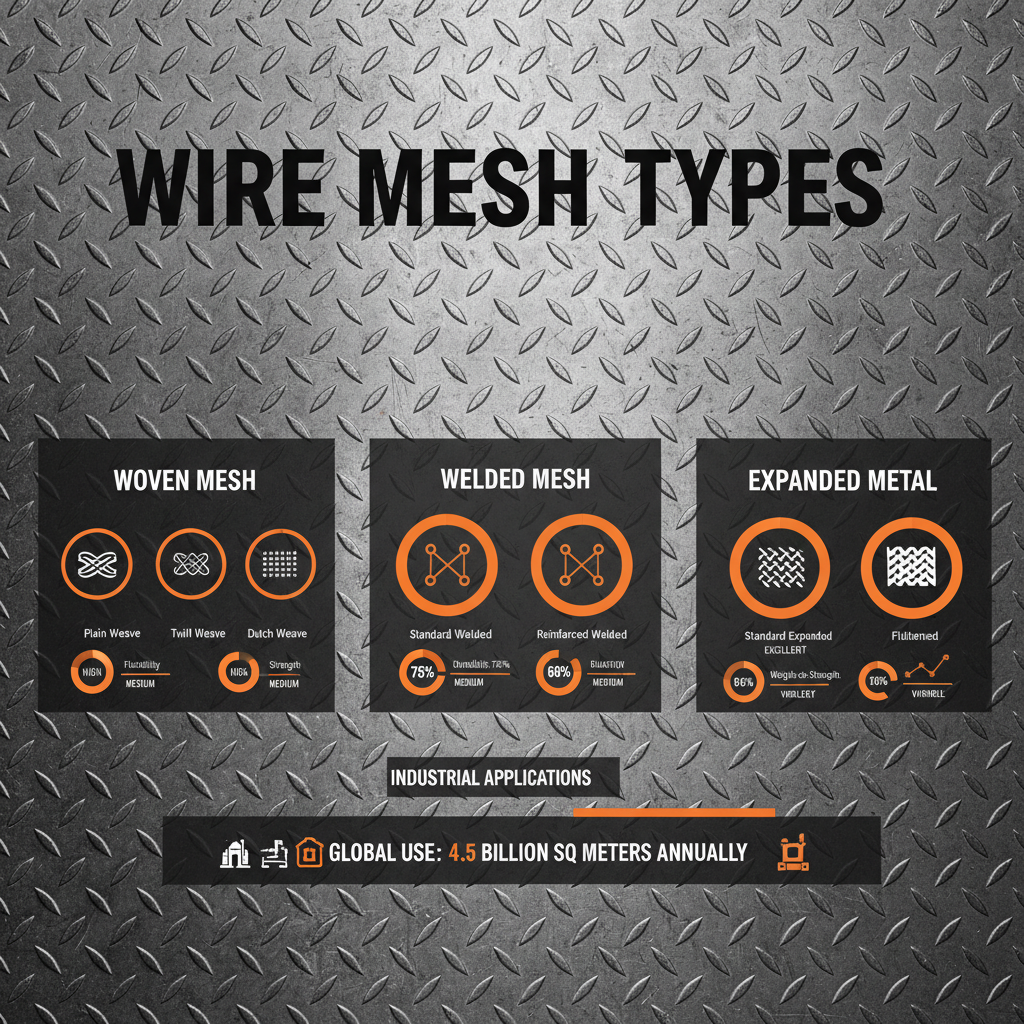
Weld mesh is created by fusing perpendicular wires together using electrical resistance welding, resulting in a rigid, stable structure ideal for fencing. Woven mesh is created by interlacing wires over and under each other, which provides more flexibility and is typically used for screening, filtration, or architectural elements where a degree of "give" or a specific pattern is required.
Depending on the material and environment, a high-quality fence can last anywhere from 20 to 50 years. Hot-dipped galvanized steel in a rural environment typically lasts 20-30 years. Stainless steel 316 in marine environments can last 50+ years with minimal maintenance. The key is ensuring the coating is intact; any deep scratches should be treated with cold-galvanizing spray to prevent oxidation.
Yes, because they are primarily made of steel, they are 100% recyclable. Most professional companies offer rental models or "take-back" programs where the mesh is collected after a project, refurbished, and reused. This circular economy approach significantly reduces the carbon footprint compared to disposable construction barriers.
Conclusion
In summary, the choice of a wire mesh company is a fundamental decision that impacts the security, longevity, and sustainability of any infrastructure project. From the precision of CNC welding and the resilience of advanced coatings to the strategic application of products like 358 3D fences and gabion mesh, the quality of the manufacturer dictates the success of the installation. By focusing on material integrity and performance metrics, businesses can ensure they are investing in solutions that offer genuine long-term value.
Looking forward, the industry is poised for a revolution through the integration of smart sensors and sustainable metallurgy. As urban and industrial needs evolve, the partnership between engineers and a capable wire mesh company will be essential in building safer, greener, and more resilient environments. We encourage you to prioritize technical specifications and proven track records when sourcing your next perimeter solution to ensure maximum ROI and peace of mind. Visit our website: www.bangjunmesh.com