Selecting the right perimeter security requires more than just comparing prices; it demands an understanding of material science and environmental stressors. For industrial and commercial projects, the choice of metal fence panels suppliers often determines the long-term structural integrity and maintenance costs of the installation.
From high-security 358 mesh to ecologically integrated gabion systems, the diversity of metal fencing has expanded to meet specific engineering challenges. The shift toward sustainable reinforcement and high-tensile materials has forced a re-evaluation of how we define "security" and "stability" in modern infrastructure.
This analysis explores the technical selection process for metal fencing, contrasting traditional barriers with advanced geosynthetic reinforcements to provide a clear framework for project managers and procurement officers.


Metal fencing has transitioned from simple boundary markers to complex engineering systems. Early barriers relied on mass and thickness for security, but modern iterations prioritize tensile strength and "anti-climb" geometry. The development of the 358 3D metal fence, for instance, represents a shift toward precision engineering where aperture size is minimized to prevent finger-holds or tool insertion.
Simultaneously, the industry has moved toward specialized coatings. The transition from simple galvanization to Zn-Al coatings and PVC layering allows these structures to survive corrosive coastal environments or chemically aggressive industrial sites without losing structural load capacity.
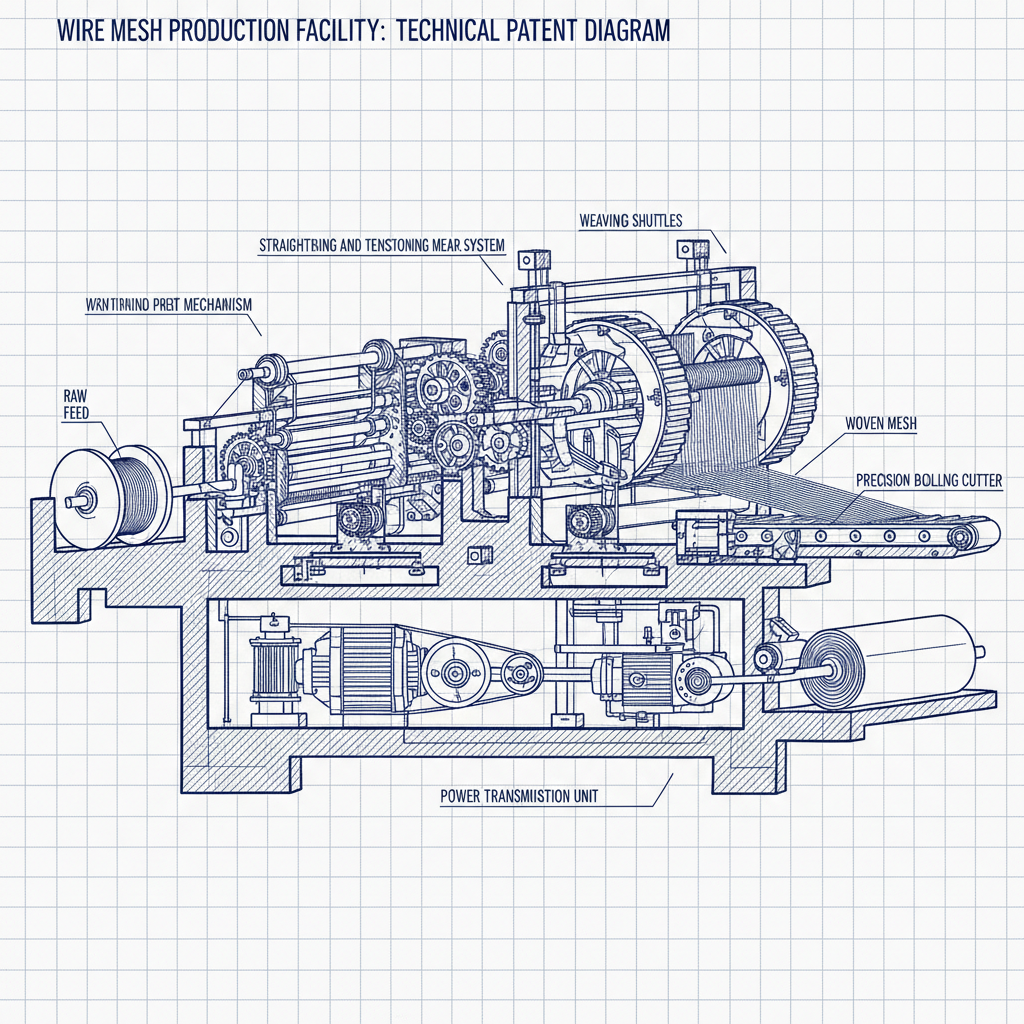
The efficacy of a metal panel is defined by its mesh geometry and welding integrity. In high-security contexts, "Weld Mesh" refers to a process where wires are fused at every intersection, creating a rigid grid that resists deformation. For airport or military barriers, the focus is on the gauge of the wire and the precision of the automatic welding machines used during production to ensure no weak points exist across the panel surface.
Beyond rigid panels, flexible wire products like Chain Link and Hexagonal Wire Mesh serve different mechanical purposes. Chain link offers lateral flexibility and ease of installation over uneven terrain, whereas hexagonal mesh is optimized for containment and erosion control. The technical distinction lies in the weave pattern: one is a geometric interlocking of wires, while the other is a twisted structure designed to distribute tension evenly.
Material selection further complicates the specification. While galvanized steel remains the standard for cost-efficiency, stainless steel woven mesh is specified for high-temperature or sterile environments. The integration of Laser automatic welding has allowed manufacturers to achieve tighter tolerances, ensuring that panels from different batches fit together seamlessly in large-scale deployments.
One of the most innovative intersections in metal wire manufacturing is the Gabion Geomat. Unlike traditional fences that act as barriers, these are functional geosynthetic materials. They combine the structural weight of gabions—wire mesh baskets filled with rock—with the soil-stabilizing properties of geomats made from synthetic fibers.
The reinforced geomat functions as a flexible structural skin that adapts to soil deformation without losing integrity, promoting ecological restoration by allowing vegetation to grow through its apertures while preventing surface erosion from wind and rain.
Technically, these mats are often produced with 68 or 810 hole configurations using double-twisted woven steel wire. This specific geometry ensures that the mat maintains its shape under hydrostatic pressure, making it indispensable for embankment slope protection and landscape engineering in reservoir projects.
When evaluating different metal fencing systems, engineers use a relative performance index to balance cost against durability and security. For example, a 358 fence scores high on "Intrusion Resistance" but may be overkill for agricultural needs where a Horse Fence or Chain Link is more appropriate.
The following index illustrates the relative suitability of common metal fencing types across five key operational metrics. This allows procurement teams to visualize where a specific product fits within their project requirements.
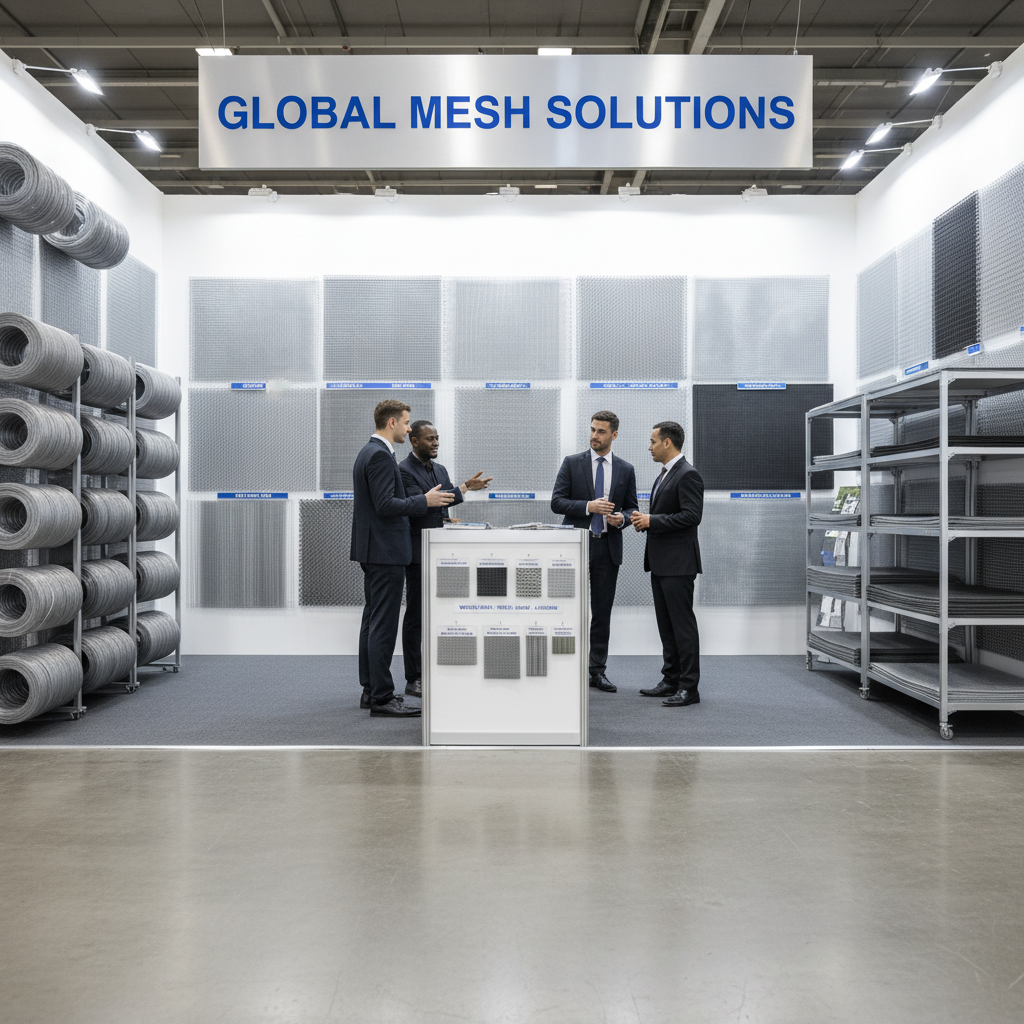
The selection of a supplier often depends on the specific site constraints of the project. For instance, in a typical industrial setting requiring high-security perimeter control, a combination of Palisade fences and Temporary Fencing for construction phases is common. The critical factor is the ability of the manufacturer to provide customized specifications, such as varying the mesh aperture or providing ODM services for unique site geometries.
In contrast, ecological projects—such as riverbank protection or highway slope stabilization—require a different logistical approach. Here, the focus shifts to the ductility and air permeability of the material. Products like the reinforced geomat are chosen because they do not create structural joints, allowing them to adapt to the natural topography of the land, which is essential for preventing hydrostatic pressure buildup.
The industry is moving toward "intelligent" boundaries that integrate physical security with environmental sustainability. We are seeing a rise in the use of Zinc Steel Fences and Aluminum Fencing in urban areas, where the aesthetic value is as important as the security function. The demand for low-maintenance, corrosion-resistant materials is driving the adoption of advanced polymer coatings over traditional galvanization.
Technologically, the integration of automated production is reducing the margin of error. The use of heavy-duty hot melt resistance welding machines ensures that the bond between wires in a 3D metal fence is nearly impossible to break without industrial cutting tools. This increases the "delay time" for intruders, which is the primary metric for high-security installations.
Furthermore, the synergy between structural reinforcement and greening is becoming a standard in public works. The evolution of Gabion Mesh into multi-layered composite systems allows for faster vegetation growth, transforming a sterile metal barrier into a living wall that provides both structural support and biodiversity.
When auditing metal fence panels suppliers, procurement professionals should look beyond the catalog. The ability of a company to provide ISO9001 and CE certifications is a baseline, but the real value lies in their internal process control and the quality of raw materials.
A reliable partner should be capable of handling both OEM and ODM orders, meaning they can modify the wire gauge, mesh size, and coating thickness based on a specific engineering blueprint. This flexibility is crucial for projects like airport fencing or military barriers, where specifications are non-negotiable and strictly regulated.
The following table provides a decision framework to compare different fencing solutions based on typical project requirements.
| Application Scenario | Recommended Product | Key Technical Factor | Relative Suitability |
|---|---|---|---|
| High-Security Facility | 358 3D Metal Fence | Aperture Size / Weld Strength | Critical |
| Slope Stabilization | Gabion Geomat | Air Permeability / Ductility | High |
| Agricultural Boundary | Horse / Farm Fence | Tensile Strength / Cost | Optimal |
| Urban Landscaping | Aluminum Fencing | Corrosion Resistance / Aesthetic | High |
| Temporary Site Work | Temporary Fence | Installation Speed / Modular | Optimal |
| Riverbank Protection | Gabion Mesh | Rock Retention / Durability | Critical |
A Gabion is essentially a wire mesh basket filled with stone or rock, used primarily for structural reinforcement and erosion control through mass and gravity. A Geomat is a three-dimensional synthetic fiber structure designed to stabilize soil and promote the growth of vegetation. A "Gabion Geomat" combines these two, using a wire mesh reinforcement to provide the stability of a gabion with the ecological benefits of a geomat.
The "358" refers to the dimensions: 3" x 0.5" x 8 gauge. This extremely tight mesh creates a barrier that is nearly impossible to climb because there are no gaps large enough for a toe or finger hold. Additionally, the small apertures make it very difficult to use standard bolt cutters or pliers to create a hole in the fence, significantly increasing the time and effort required for an unauthorized breach.
For coastal areas with high salinity, a combination is best: Zn-AL coating followed by a PVC layer. While galvanization provides a sacrificial anodic layer of protection, PVC acts as a physical barrier that prevents salt spray and moisture from reaching the metal core. This dual-layer approach significantly extends the lifespan of the fence in corrosive environments compared to simple hot-dip galvanizing.
Quality is evaluated by checking the consistency of the weld points. A high-quality panel produced with automatic laser welding should have no visible gaps or "cold joints" at the intersections. You should also verify the wire gauge with a caliper to ensure it meets the specification throughout the entire panel and check for uniformity in the coating thickness to ensure there are no exposed metal areas prone to rust.
Yes, that is their primary purpose. Because they are flexible and have no structural joints, they can adapt to the topography of steep embankments. Their high air permeability prevents the buildup of hydrostatic pressure, which is a leading cause of slope failure. When combined with appropriate seeding, the growth of roots through the mesh anchors the soil further, creating a permanent, stable, and greened slope.
An ODM (Original Design Manufacturer) supplier can customize the product to the specific technical requirements of your project rather than selling a standard "off-the-shelf" product. This is critical when you need specific hole sizes for animal containment, unique panel heights for security, or specialized materials like stainless steel for chemical plants. It ensures the product is fit-for-purpose, reducing wasted material and installation errors.
The selection of metal fencing is a balance between structural requirement, environmental resistance, and budget. Whether deploying high-security 358 mesh or sustainable gabion geomats, the priority must always be the technical alignment between the material properties and the site's physical constraints.
By partnering with experienced manufacturers who maintain strict ISO and CE standards, project managers can ensure that their perimeter solutions are not just barriers, but long-term assets that provide genuine security and ecological stability.