Selecting the right materials for security and industrial filtration often boils down to a deep understanding of wire mesh types. From heavy-duty perimeter fencing to precision industrial sieving, the geometry, material, and coating of the wire determine whether a structure will withstand the test of time or fail under environmental stress.
Across the globe, the demand for specialized fencing and mesh solutions has surged as urban infrastructure expands and security requirements become more stringent. Whether it is protecting a high-security airport or managing livestock in rural zones, the versatility of various wire mesh types allows engineers to balance transparency, strength, and cost-effectiveness.
In this comprehensive guide, we will explore the technical nuances of the most common mesh configurations. By analyzing the structural differences between welded and woven options, we aim to provide a roadmap for professionals to make informed procurement decisions that enhance safety and operational efficiency.
Global Relevance of Wire Mesh Types
The global infrastructure market relies heavily on standardized wire mesh types to maintain safety and operational boundaries. According to ISO standards for metallic coatings and wire products, the shift toward galvanized and PVC-coated materials has significantly reduced maintenance costs for public works projects. In regions with high salinity or humidity, the choice of mesh can mean the difference between a 5-year and a 25-year lifecycle.
Beyond simple barriers, these mesh systems are critical in disaster mitigation and environmental protection. For instance, gabion mesh is used worldwide to prevent soil erosion in landslide-prone mountainous areas, illustrating how a simple geometric arrangement of wire can solve complex geotechnical challenges.
Defining Modern Wire Mesh Types
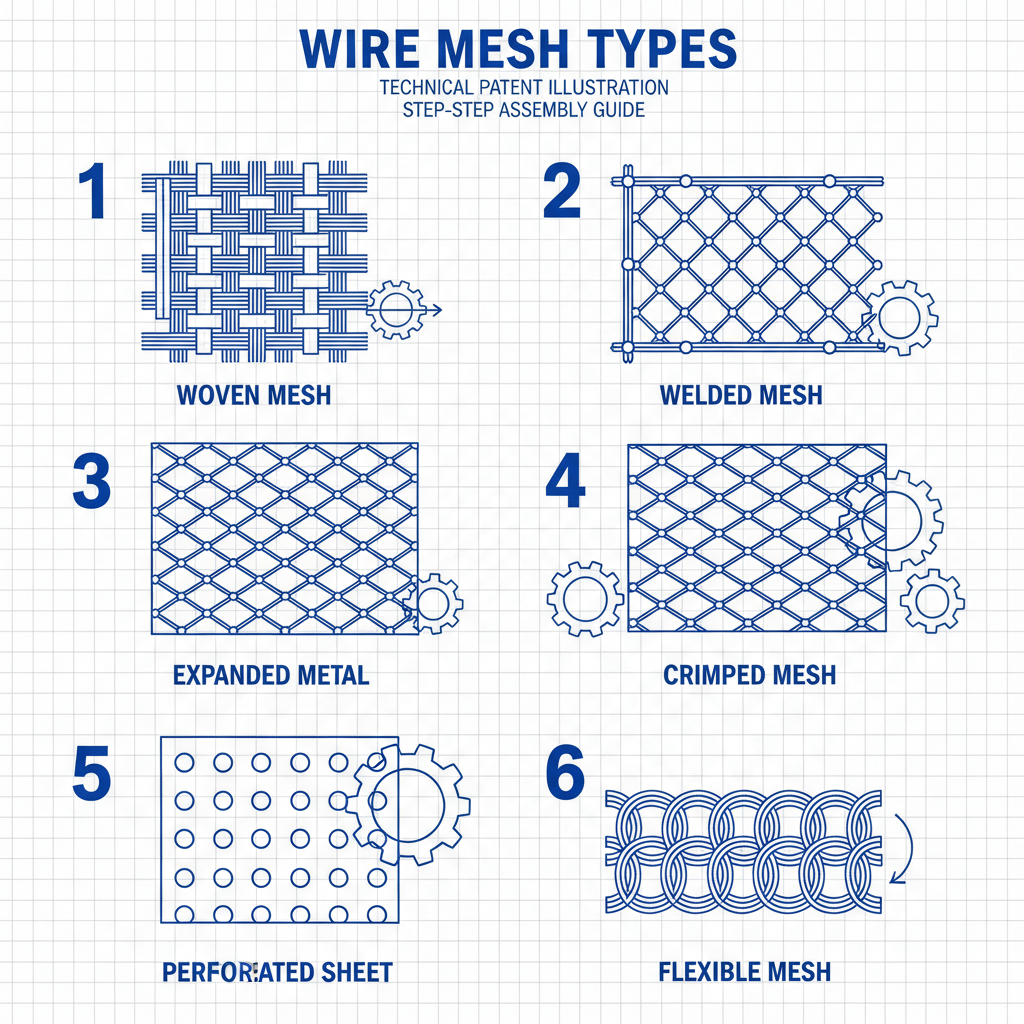
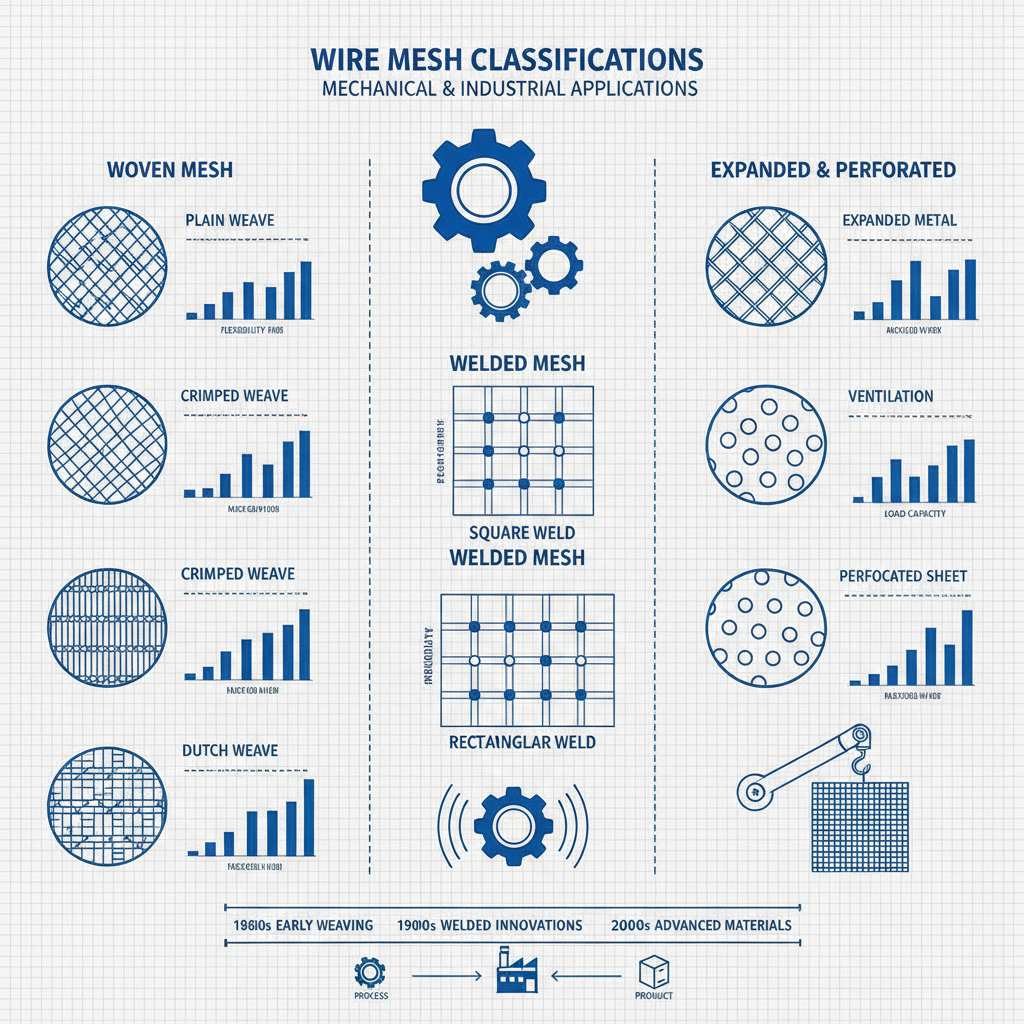
In the broadest sense, wire mesh types refer to the various methods of interlacing or joining metal wires to create a porous yet strong screen. These range from woven meshes, where wires are interlaced over and under one another, to welded meshes, where wires are fused at every intersection using electrical resistance welding for maximum rigidity.
Modern industry has evolved these definitions to include specialized hybrid structures. For example, 3D metal fences incorporate "V" shaped bends to add structural depth and resistance to impact, while stainless steel woven mesh is engineered for micro-filtration in pharmaceutical and food-grade environments.
Ultimately, these products serve a fundamental humanitarian and industrial need: the ability to control access and filter materials without completely blocking light, air, or visibility. This balance is what makes the selection of specific mesh configurations so critical to project success.
Core Components of Mesh Performance
When analyzing wire mesh types, the first critical component is Material Composition. The use of hot-dipped galvanized steel provides a sacrificial zinc layer that prevents rust, while aluminum options offer lightweight alternatives for coastal areas where corrosion is the primary threat.
Structural Rigidity is another cornerstone of performance. Welded wire mesh provides a fixed, non-shifting geometry, which is essential for security fences like the 358 "prison mesh." Conversely, woven types offer a degree of flexibility, making them ideal for Gabion baskets that must contour to the natural shape of a riverbank.
Finally, Aperture Size and Wire Gauge determine the functionality. A larger gauge (thicker wire) increases load-bearing capacity, while a smaller aperture size increases security by preventing climbing or the passage of small objects. These parameters are meticulously calculated to meet specific ISO and ASTM safety standards.
Global Applications and Use Cases
The practical application of various wire mesh types spans across virtually every sector of the global economy. In the aviation industry, Airport Fencing requires high-security, anti-climb mesh that can withstand high wind loads and prevent unauthorized airfield access. In contrast, the agricultural sector utilizes Horse Fencing and Chain Link options that prioritize animal safety and cost-effective land demarcation.
In high-risk zones, Military Barriers and Palisade Fencing are deployed to create rapid, formidable perimeters. These systems are often modular, allowing for quick installation in remote industrial zones or post-disaster relief operations where establishing a secure perimeter is the first step toward restoring order and safety.
Comparative Efficiency of Wire Mesh Types
Long-Term Value and Sustainability
Investing in high-quality wire mesh types provides significant long-term economic value. By opting for materials with superior corrosion resistance, such as hot-dip galvanization or powder coating, organizations reduce the frequency of replacement cycles. This logical approach to procurement not only lowers the Total Cost of Ownership (TCO) but also reduces the environmental footprint associated with steel production and transport.
Beyond the financial metrics, there is a profound social impact. High-security mesh installations provide peace of mind and a sense of dignity by protecting critical infrastructure and residential areas. The reliability of a well-chosen mesh system fosters trust between a facility and its stakeholders, ensuring that safety is never compromised.
Innovations in Mesh Technology
The future of wire mesh types is being shaped by material science and automation. We are seeing the rise of "smart fences" that integrate sensor technology directly into the wire mesh to detect intrusions in real-time. This digital transformation allows for a seamless blend of physical security and electronic surveillance.
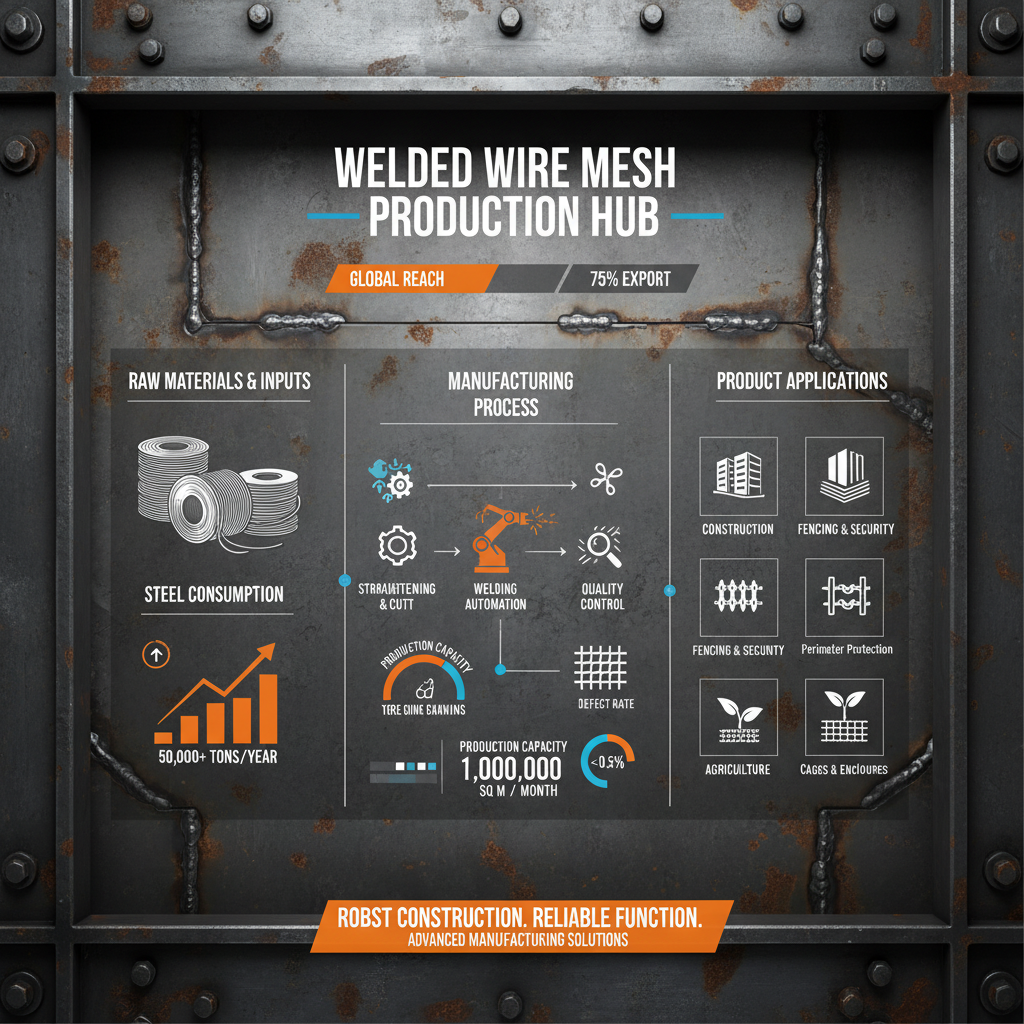
Sustainability is also driving innovation, with a move toward recyclable alloys and eco-friendly coating processes that eliminate toxic volatile organic compounds (VOCs). The integration of robotic welding has allowed for tighter tolerances and more consistent joint strength, ensuring that the mesh performs exactly as engineered.
Furthermore, the development of high-tensile steel allows for thinner wires to achieve the same strength as thicker, traditional wires. This reduces the overall weight of the installation, making logistics easier and reducing the carbon footprint during the installation phase.
Challenges and Expert Solutions
One of the most common challenges when deploying wire mesh types is the struggle against oxidation in aggressive environments. Many contractors make the mistake of using standard galvanized wire in coastal zones, leading to premature failure. The expert solution is the application of a dual-layer protection system: hot-dip galvanizing followed by a PVC or polyester powder coating.
Another hurdle is the balance between security and aesthetics. Traditional high-security mesh can look imposing and "prison-like." To overcome this, architects are now utilizing Privacy Fencing and Aluminum Fencing with custom colors and patterns, maintaining the high-strength properties of the mesh while integrating harmoniously into urban landscapes.
Lastly, installation errors often lead to sagging or structural weakness. We recommend the use of rigid post-mounting systems and tensioning wires for woven types to ensure the mesh remains taut over decades of use. Proper engineering at the foundation level is the only way to guarantee the longevity of the mesh system.
Comparison of Wire Mesh Types by Application and Performance
| Mesh Category |
Primary Material |
Security Level |
Corrosion Resistance |
| 358 Anti-Climb |
Galvanized Steel |
Extreme (10/10) |
High |
| Chain Link |
Zinc-Coated Steel |
Moderate (5/10) |
Medium |
| Stainless Woven |
SS 304/316 |
Low (3/10) |
Extreme |
| Gabion Mesh |
Heavy Galvanized |
N/A (Structural) |
Very High |
| Palisade Fence |
Steel Pales |
High (9/10) |
High |
| Aluminum Mesh |
Aluminum Alloy |
Moderate (6/10) |
Extreme |
FAQS
Welded mesh is created by fusing wires at each intersection using heat and pressure, resulting in a rigid, stable structure that doesn't shift. Woven mesh is created by interlacing wires over and under each other, which allows for more flexibility and the ability to create very fine apertures, though it can be more prone to shifting under heavy load.
For coastal areas, Aluminum Fencing or Stainless Steel Woven Mesh are the superior choices because they naturally resist salt-air corrosion. If steel is required, a "dual-coat" system featuring hot-dip galvanization followed by a high-grade PVC coating is essential to prevent rapid oxidation.
The choice depends on the threat level. For high-security areas where you want to prevent climbing or the use of bolt cutters, a "358" mesh (meaning 3" x 0.5" x 8 gauge) is the industry standard. It is small enough to prevent finger or toe holds, making it virtually impossible to climb without specialized equipment.
While the initial procurement cost is slightly higher (typically 15-25% more), the long-term value is far greater. PVC coatings act as an extra barrier against moisture and UV rays, extending the lifespan of the fence by years and drastically reducing the need for painting or rust-treatment maintenance.
While not a "security fence" in the traditional sense, Gabion mesh baskets filled with stone are excellent for perimeter security as they create a massive, immovable physical barrier. They are often used in military barriers or as a base for other fencing types to prevent vehicle ramming.
In a standard inland environment, hot-dipped galvanized mesh typically lasts 20 to 30 years. However, this varies based on the zinc coating thickness. In highly acidic or salty environments, this can drop to under 10 years unless additional coatings like powder coating or PVC are applied.
Conclusion
Navigating the complex array of wire mesh types is essential for anyone tasked with ensuring the longevity and security of a physical site. From the rigid strength of welded 3D panels to the adaptive nature of woven gabions, each mesh configuration offers a specific set of advantages tailored to different environmental and security needs. By prioritizing material quality and appropriate coatings, you can ensure that your investment provides maximum protection with minimum maintenance.
As we look toward the future, the integration of sustainable materials and smart technology will continue to redefine what we expect from perimeter security. We encourage project managers and engineers to look beyond the initial price tag and consider the total lifecycle value of their chosen mesh system. For professional guidance and high-quality mesh solutions, visit our website: www.bangjunmesh.com.