Wire mesh manufacturers play a critical role in modern infrastructure and security solutions globally. From agricultural fencing to high-security perimeter protection, these manufacturers provide essential materials used across diverse industries. The demand for high-quality, durable, and cost-effective wire mesh products is constantly increasing, driven by factors like population growth, urbanization, and the need for enhanced security measures. Understanding the intricacies of wire mesh manufacturing, material science, and industry standards is crucial for businesses and organizations relying on these vital components.
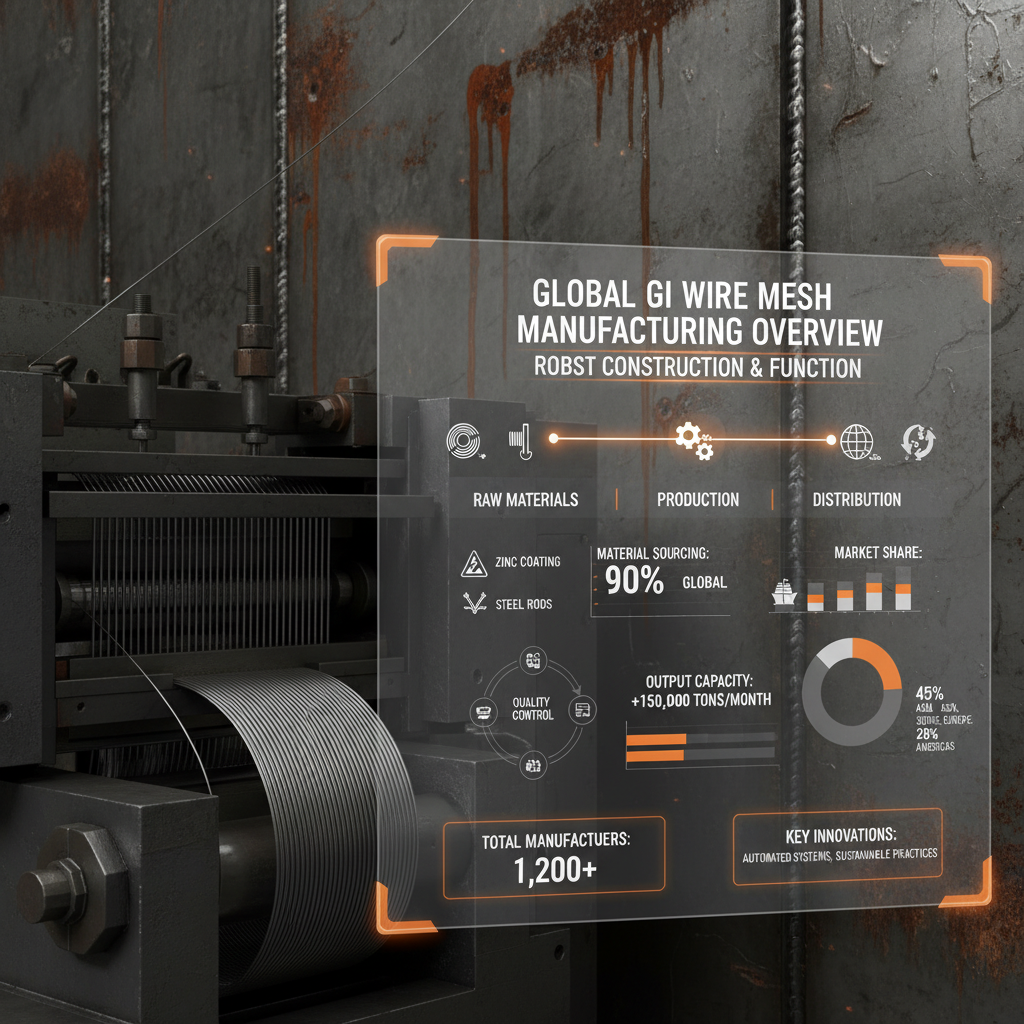
The global market for wire mesh is substantial and growing. Reports indicate a multi-billion dollar industry, with significant players located in China, Europe, and North America. This growth is fueled by increasing investment in infrastructure projects worldwide, coupled with a rising awareness of security concerns. Wire mesh manufacturers are continually innovating to meet evolving demands, developing new materials and fabrication techniques to enhance performance and sustainability.
Effective sourcing from reputable wire mesh manufacturers is paramount. Factors to consider include product quality, manufacturing capacity, lead times, and compliance with relevant industry standards. Choosing a reliable supplier ensures project success and long-term durability of the implemented security or containment solutions.
The Significance of Wire Mesh Manufacturers
Wire mesh manufacturers are foundational to countless applications, impacting everything from security and agriculture to construction and environmental protection. Their ability to produce consistently high-quality materials is critical for ensuring the integrity and longevity of finished products. Selecting the right manufacturer involves assessing not only production capabilities but also a commitment to industry standards and sustainable practices.
The importance of these manufacturers extends beyond simply providing a product; they contribute to safety, security, and efficient resource management. Without reliable wire mesh manufacturers, critical infrastructure projects would be hampered, security risks would increase, and operational costs would escalate.
Defining Wire Mesh Manufacturing
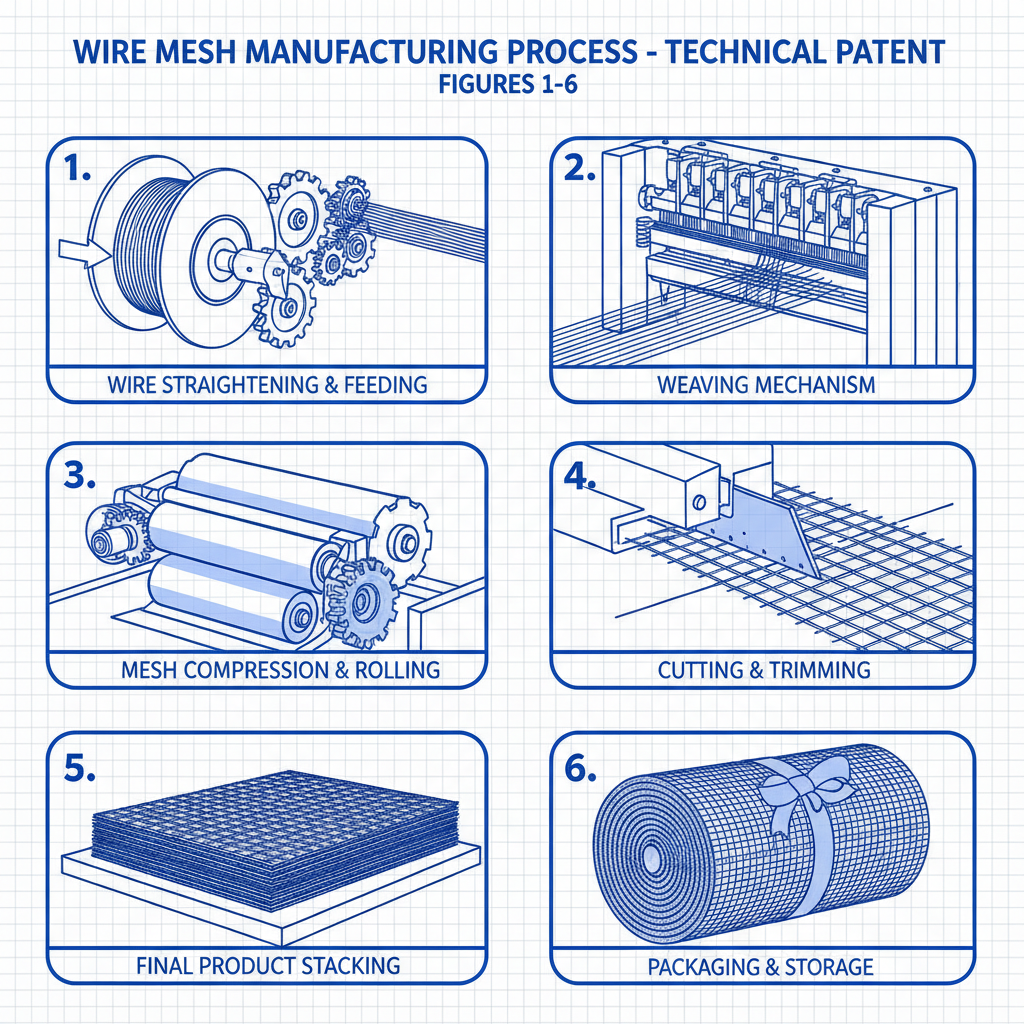
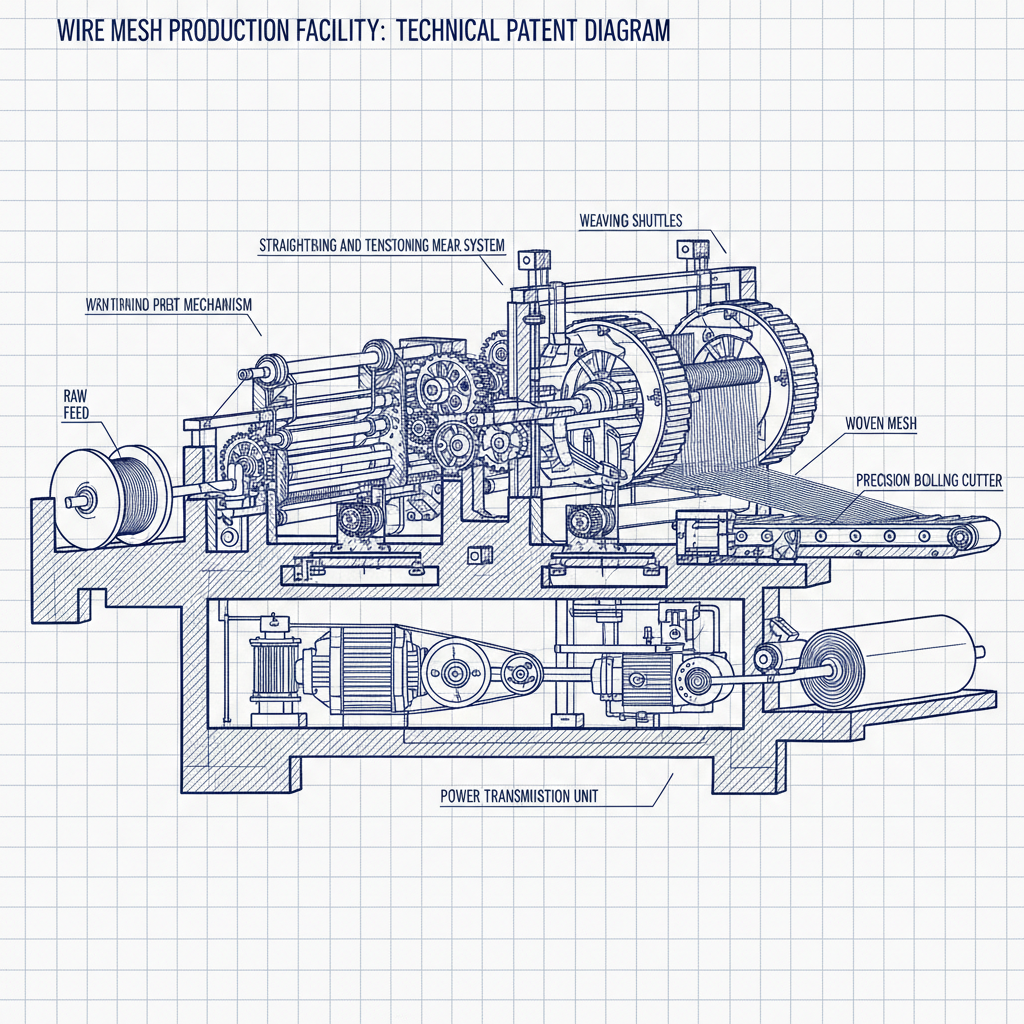
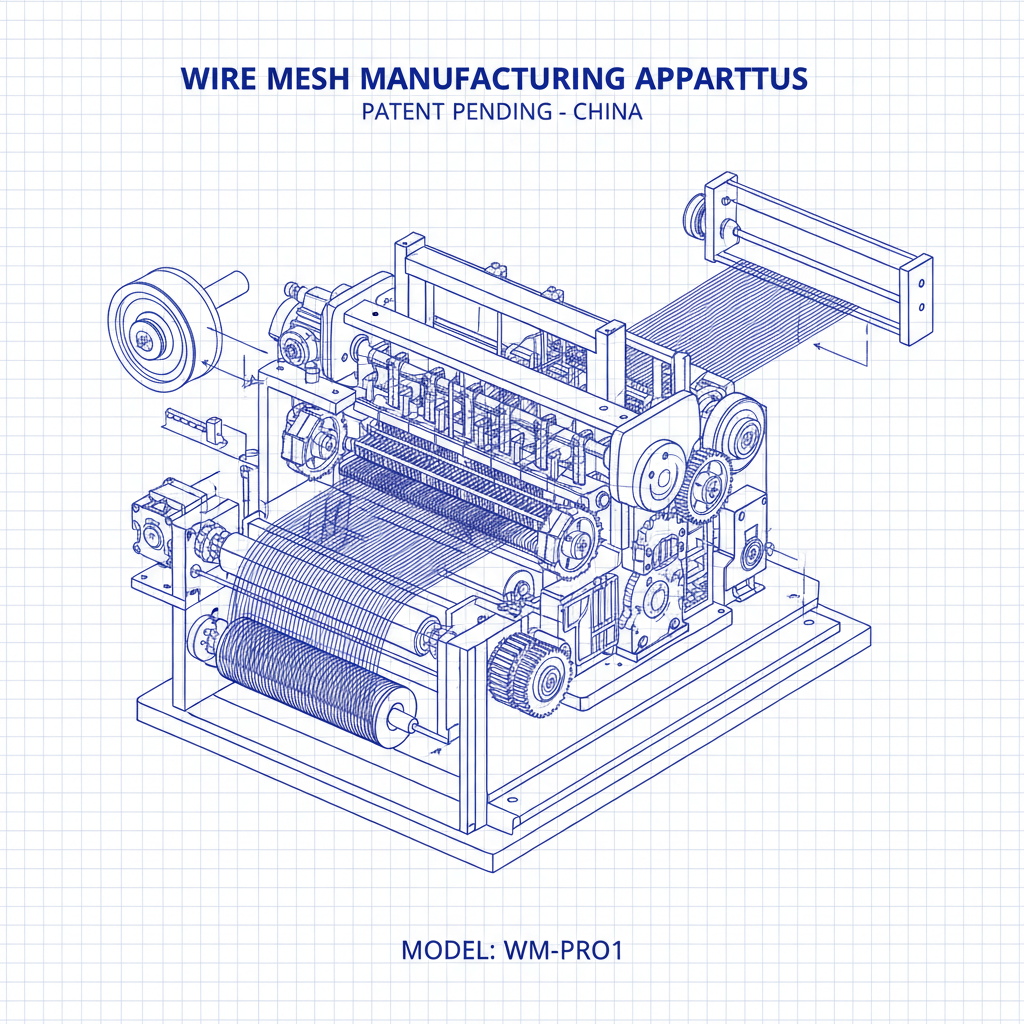
Wire mesh manufacturing encompasses the processes of weaving, welding, or interlocking wires to create a grid-like structure. This process can involve a variety of materials, including steel, stainless steel, aluminum, and galvanized wire, each offering different properties suited to specific applications. The manufacturing process itself requires specialized machinery, skilled labor, and rigorous quality control measures to ensure consistent product performance.
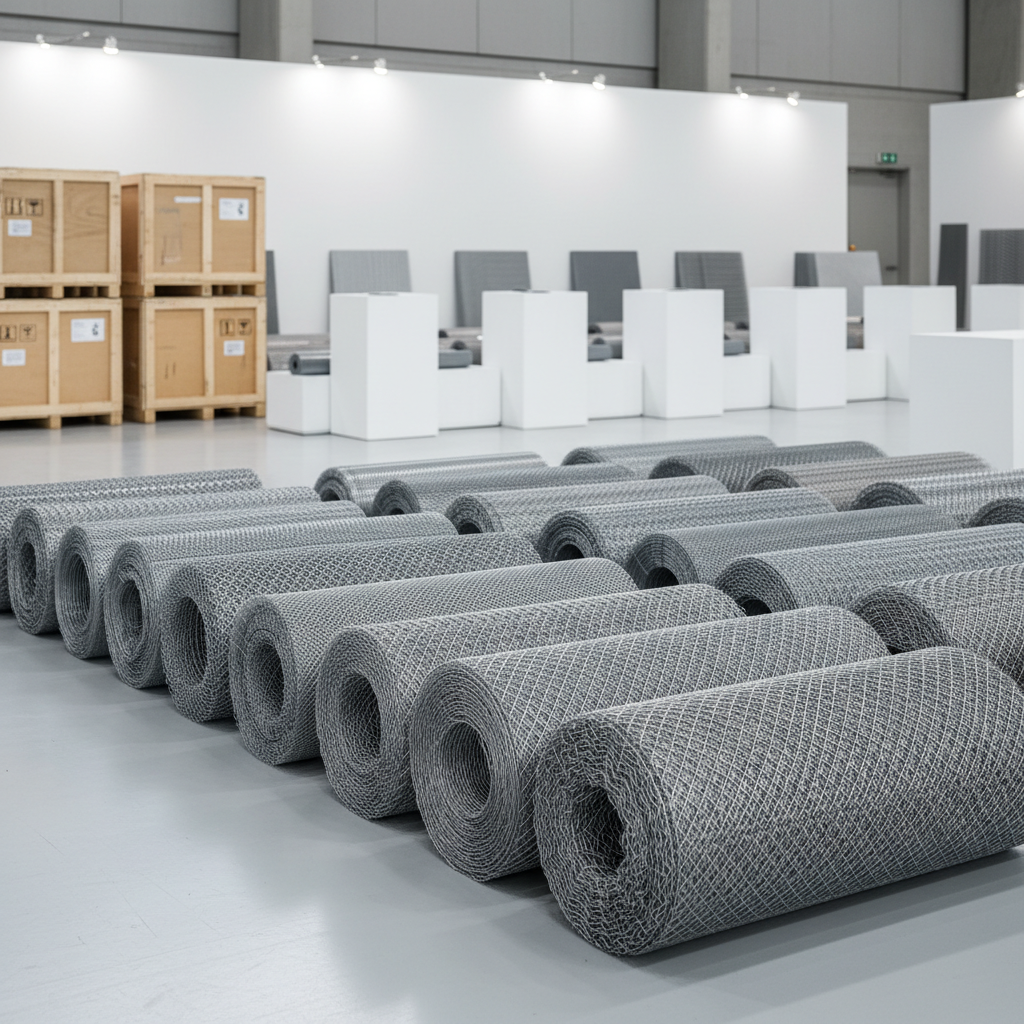
The term “wire mesh manufacturers” specifically refers to companies that specialize in these processes, producing a wide range of mesh sizes, patterns, and material compositions. These manufacturers often cater to diverse industries, offering customized solutions to meet unique client requirements.
Modern wire mesh manufacturing increasingly incorporates automation and advanced technologies to enhance efficiency, reduce waste, and improve product quality. This evolution is driven by the need to meet growing demand while maintaining competitive pricing and environmental responsibility.
Core Characteristics of Quality Wire Mesh
Several key characteristics define the quality of wire mesh produced by leading wire mesh manufacturers. These include tensile strength, corrosion resistance, aperture size consistency, and dimensional stability. Tensile strength determines the mesh's ability to withstand pulling forces, while corrosion resistance ensures longevity in harsh environments.
Aperture size, the spaces between the wires, is a critical factor in many applications, dictating what can pass through the mesh. Dimensional stability refers to the mesh’s ability to maintain its shape and size under varying conditions. These characteristics are often measured and certified according to international standards, such as those set by ISO or ASTM.
Furthermore, the uniformity of the wire diameter and the precision of the mesh weaving or welding process are paramount. Consistent quality control throughout the manufacturing process, including regular testing and inspection, is essential for delivering reliable and durable wire mesh products.
Key Applications Across Industries
The versatility of wire mesh translates into a vast array of applications across numerous industries. In agriculture, it’s used for livestock fencing, poultry netting, and crop protection. Construction utilizes wire mesh for reinforcing concrete, creating plaster grids, and providing safety barriers. Security applications include perimeter fencing, prison enclosures, and airport security systems.
The automotive industry employs wire mesh in vehicle grills, filters, and safety components. In the chemical and pharmaceutical sectors, it’s used for filtration, separation, and support structures. Even in mining and quarrying, wire mesh plays a crucial role in screening and separation processes.
Beyond these core industries, wire mesh is also found in applications like architectural design (facades, screens), water treatment (filtration), and even decorative elements, demonstrating its adaptability and wide-ranging functionality.
Wire Mesh Application Breakdown by Industry
Advantages of Utilizing Reputable Manufacturers
Partnering with established wire mesh manufacturers offers significant advantages beyond simply procuring a product. Reputable manufacturers invest in advanced technologies, rigorous quality control processes, and skilled personnel, resulting in consistent product performance and reliability. This reduces the risk of failures, minimizes maintenance costs, and enhances long-term durability.
Furthermore, established manufacturers often offer customization options, technical support, and prompt delivery, catering to specific project requirements. They typically adhere to industry standards and certifications, providing assurance of product quality and safety.
Future Trends Shaping the Industry
The wire mesh manufacturing industry is undergoing a period of innovation, driven by trends like sustainability, automation, and advanced materials. There's a growing demand for eco-friendly materials and manufacturing processes, with manufacturers increasingly exploring recycled materials and energy-efficient production techniques.
Automation is playing a larger role in enhancing efficiency and reducing labor costs. The integration of robotics and computer-controlled machinery is streamlining production processes and improving product consistency. Furthermore, research into new materials, such as high-strength alloys and advanced polymers, is expanding the potential applications of wire mesh.
The rise of smart fencing and integrated security systems is also creating new opportunities for wire mesh manufacturers, driving the development of mesh products with embedded sensors and communication capabilities.
Overcoming Challenges in Wire Mesh Procurement
Procuring wire mesh can present challenges, including ensuring consistent quality, managing lead times, and navigating complex supply chains. One key challenge is verifying the specifications and certifications of the mesh to ensure it meets project requirements. Another is mitigating the risk of counterfeit or substandard products entering the market.
To address these challenges, it's crucial to work with reputable wire mesh manufacturers who prioritize quality control and transparency. Conducting thorough supplier audits, requesting samples for testing, and establishing clear communication channels are essential steps.
Furthermore, diversifying supply sources and building strong relationships with multiple manufacturers can help mitigate supply chain disruptions and ensure competitive pricing.
Summary of Key Challenges and Solutions in Wire Mesh Procurement
| Challenge |
Impact on Project |
Mitigation Strategy |
Long-Term Benefit |
| Quality Inconsistency |
Reduced Product Lifespan, Safety Risks |
Supplier Audits, Material Testing |
Increased Reliability and Durability |
| Long Lead Times |
Project Delays, Increased Costs |
Strategic Stockpiling, Diversified Suppliers |
Improved Project Timelines |
| Counterfeit Products |
Compromised Security, Safety Hazards |
Verified Supplier Network, Certification Checks |
Enhanced Safety and Security |
| Supply Chain Disruptions |
Material Shortages, Price Volatility |
Multiple Sourcing, Inventory Management |
Supply Chain Resilience |
| Lack of Customization |
Inability to Meet Specific Project Needs |
Partner with Manufacturers Offering Custom Solutions |
Optimized Project Fit |
| Price Fluctuations |
Budget Overruns, Cost Uncertainty |
Long-Term Contracts, Negotiation Strategies |
Cost Predictability |
FAQS
Choosing the right wire mesh manufacturer requires careful consideration of several factors, including product quality, manufacturing capacity, material options, customization capabilities, lead times, pricing, and adherence to industry standards. It's also crucial to assess their reputation, customer support, and ability to meet your specific project requirements. Prioritize manufacturers with established quality control systems and relevant certifications.
Common materials include carbon steel, stainless steel (grades 304, 316, etc.), galvanized steel, aluminum, and copper. The choice of material depends on the application and desired properties, such as strength, corrosion resistance, and cost. Stainless steel is often preferred for applications requiring high corrosion resistance, while galvanized steel offers a good balance of strength and cost-effectiveness.
Mesh aperture size is critical. A smaller aperture provides greater security and containment, preventing the passage of smaller objects. Larger apertures offer better airflow and visibility. Selecting the correct aperture size depends on the specific application requirements. For example, a security fence will require a smaller aperture than a ventilation screen.
Look for certifications like ISO 9001 (quality management system), ISO 14001 (environmental management system), and certifications specific to the application, such as ASTM standards for materials and testing. These certifications demonstrate a commitment to quality, environmental responsibility, and adherence to industry best practices.
Lead times for custom orders can vary depending on the complexity of the order, material availability, and the manufacturer’s production schedule. Typically, lead times range from 2 to 8 weeks. It’s essential to discuss lead times upfront with the manufacturer and plan accordingly to ensure timely project completion.
Corrosion resistance can be achieved through several methods, including using corrosion-resistant materials like stainless steel, galvanizing the steel with a zinc coating, or applying a powder coating. The choice of method depends on the environmental conditions and the desired level of protection. Regular maintenance and inspection are also essential for extending the lifespan of the wire mesh.
Conclusion
In conclusion, understanding the role of wire mesh manufacturers is crucial for professionals across diverse industries. From infrastructure development to security solutions, these manufacturers provide essential materials that underpin countless applications. Prioritizing quality, sustainability, and reliable sourcing is paramount to ensuring long-term project success and operational efficiency.
Looking ahead, the wire mesh manufacturing industry will continue to evolve, driven by advancements in materials science, automation, and a growing emphasis on environmental responsibility. By staying informed about these trends and partnering with innovative manufacturers, businesses can unlock new opportunities and enhance the performance and durability of their projects.