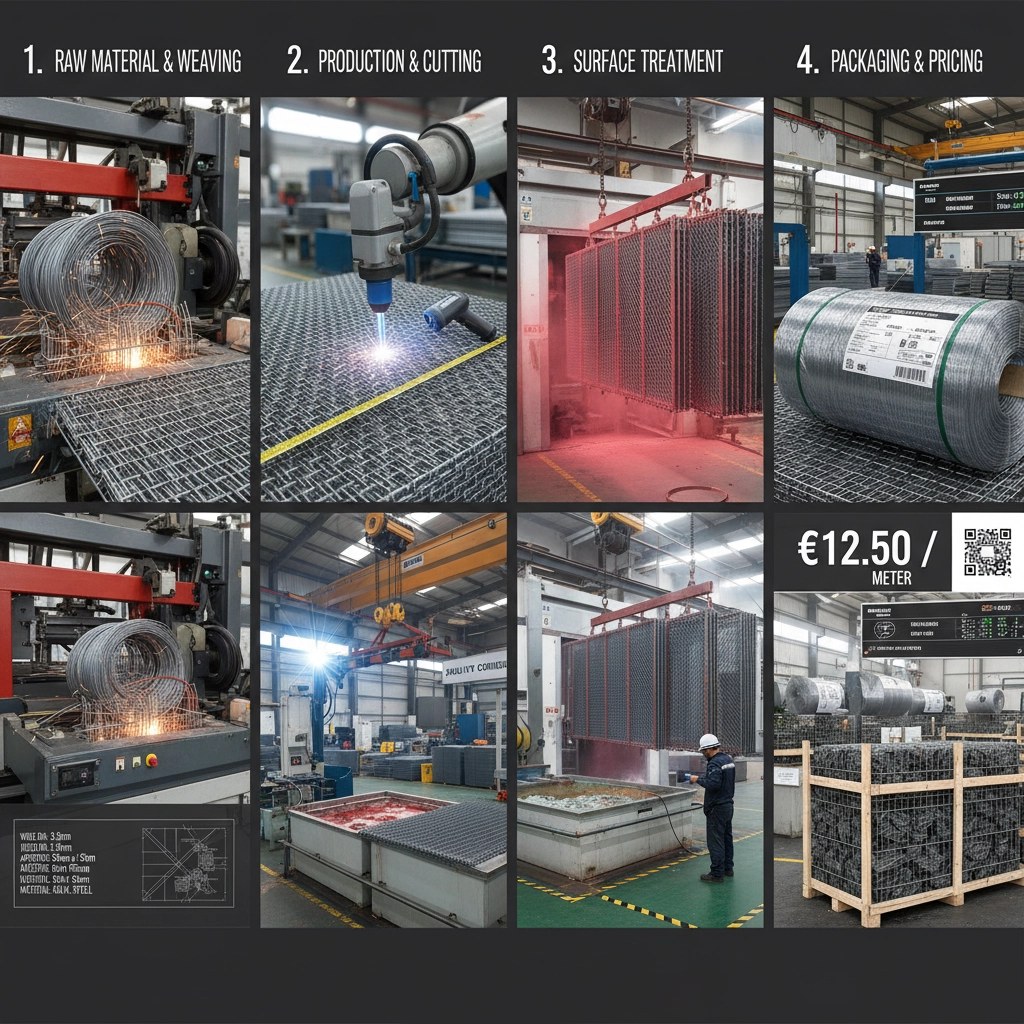
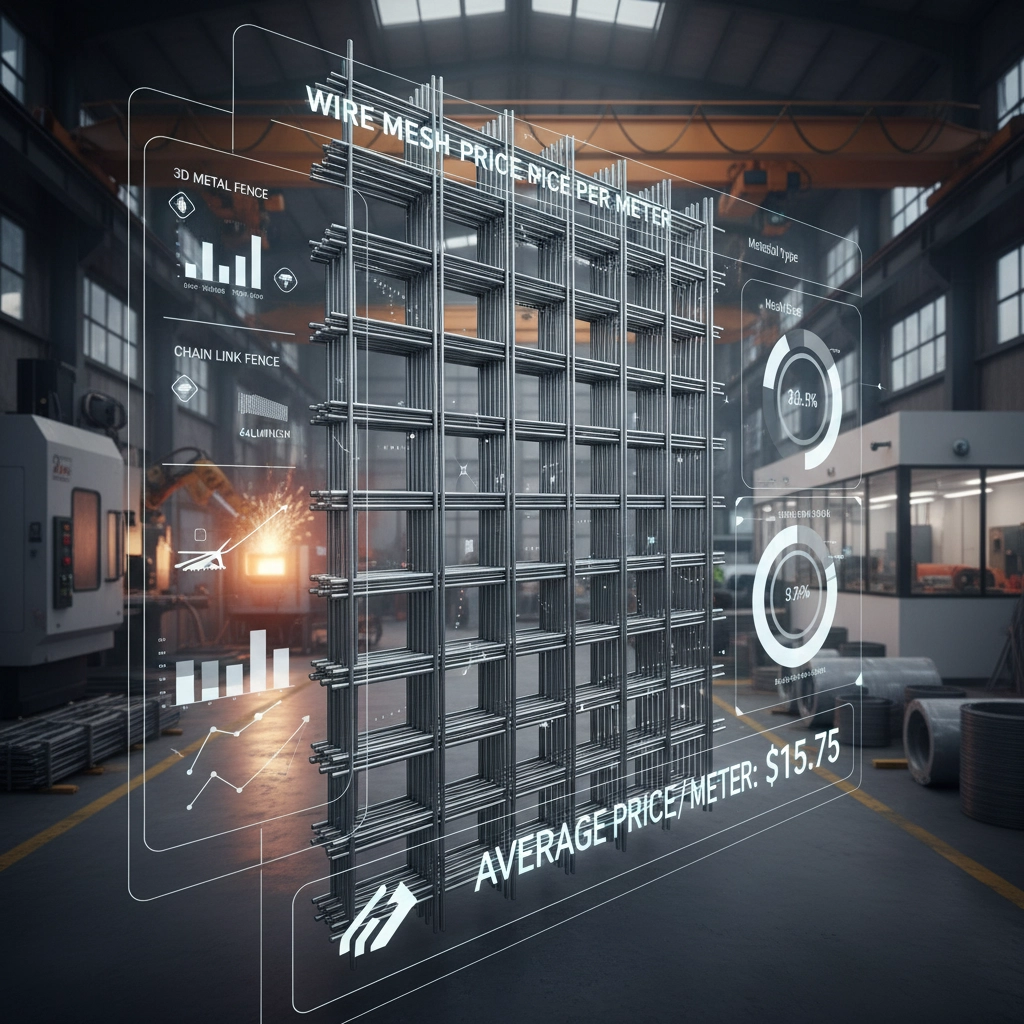
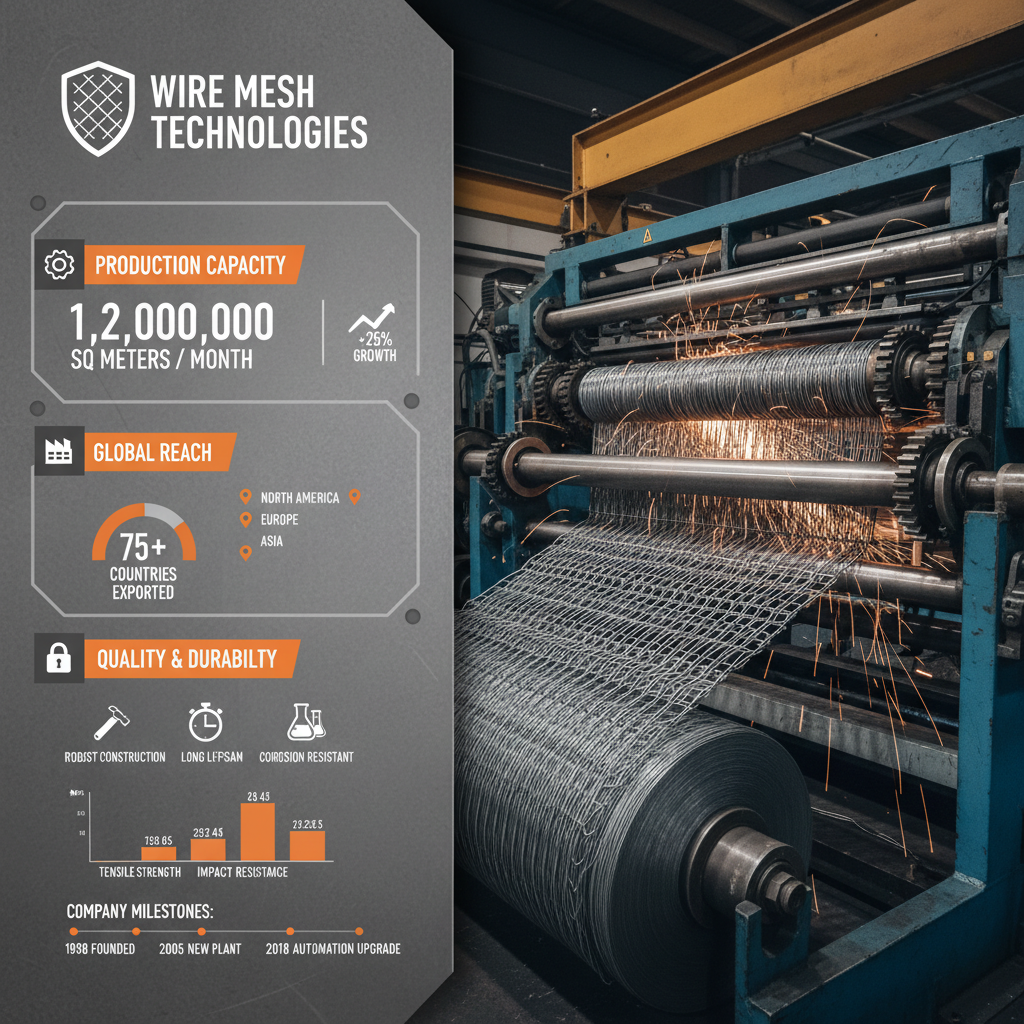
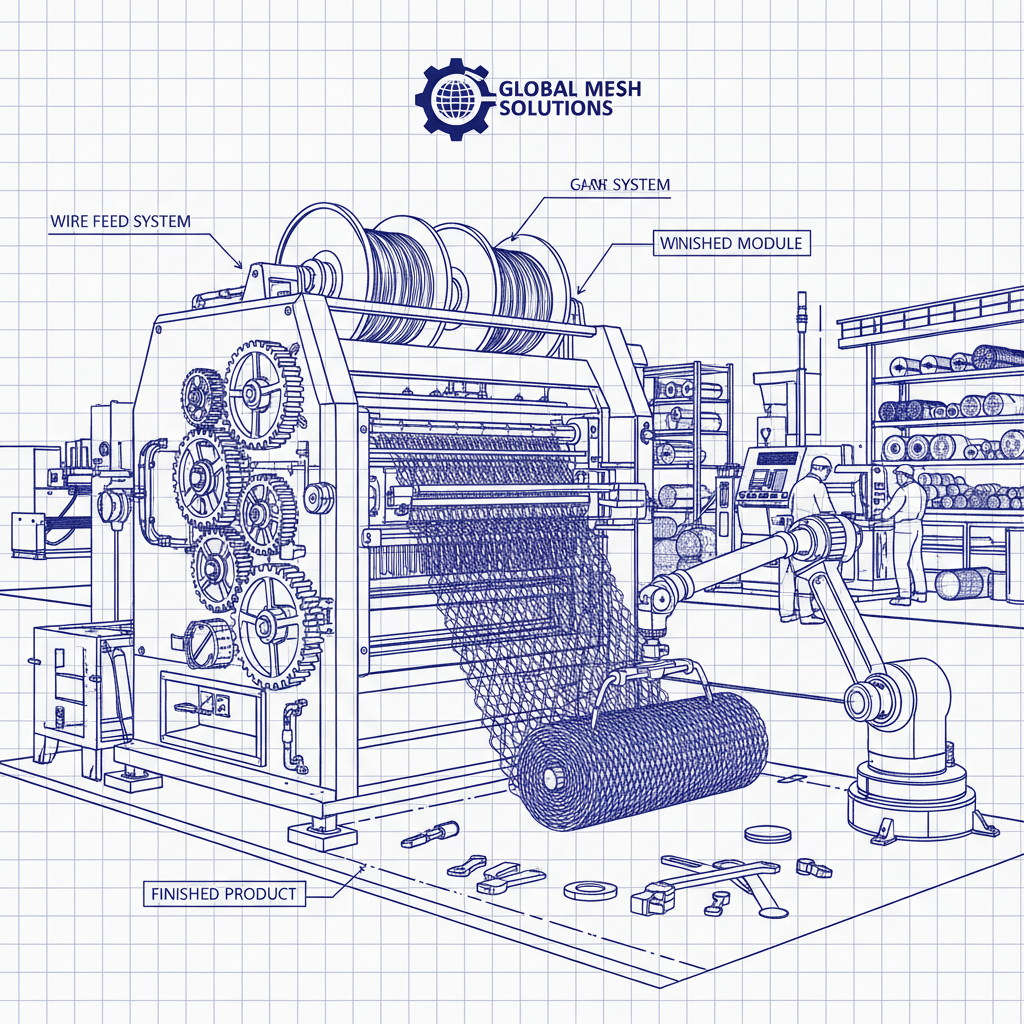
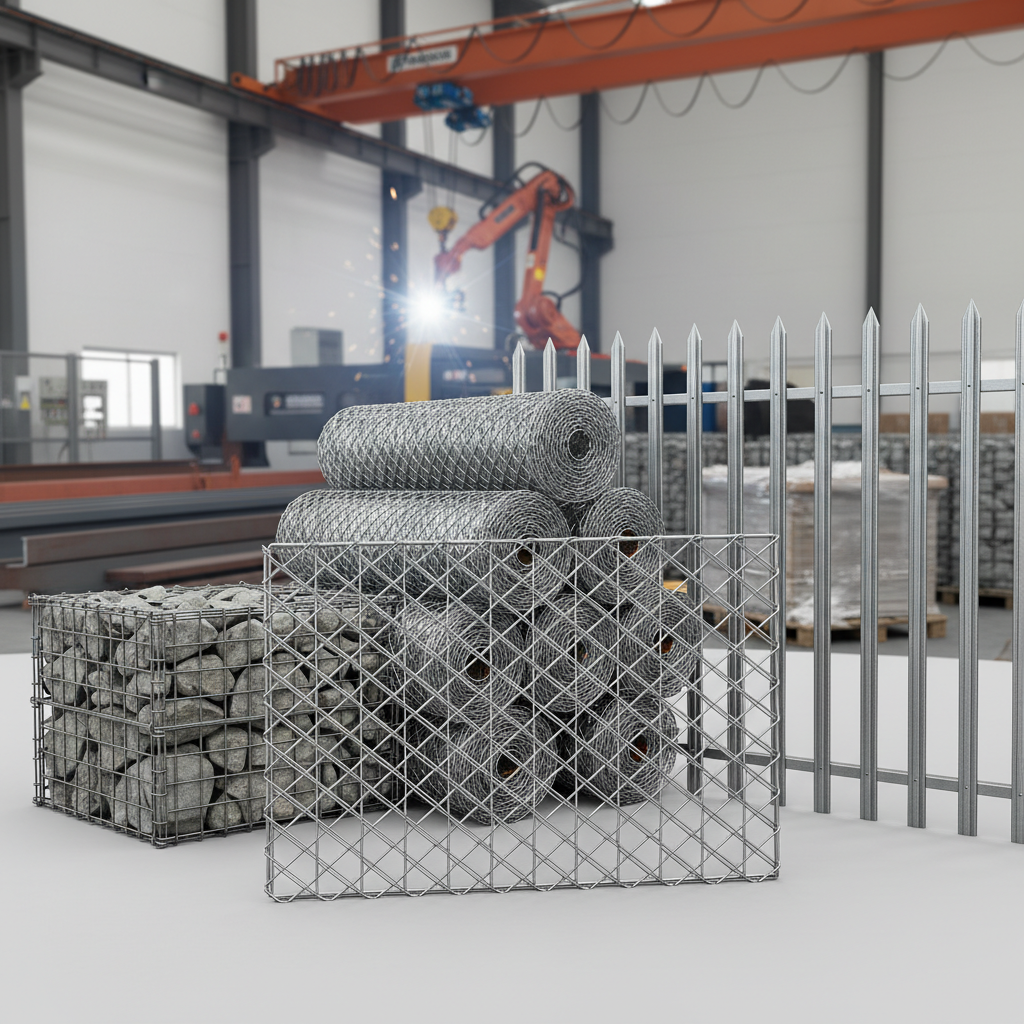
When planning a security perimeter or an industrial filtration system, understanding the wire mesh price per meter is more than just a budgeting exercise; it is a critical step in ensuring structural integrity and long-term cost-efficiency. The global market for metal fencing and wire products is highly volatile, influenced by the fluctuating costs of raw steel, zinc, and aluminum, making it essential for procurement managers to understand the variables that drive these costs.
Across various sectors—from airport security and military barriers to agricultural horse fencing—the choice of material directly impacts the total cost of ownership. While a lower initial wire mesh price per meter might seem attractive, seasoned engineers prioritize the balance between gauge thickness, coating quality, and the environmental conditions of the installation site to avoid premature corrosion and frequent replacements.
In today's industrial landscape, the transition toward sustainable manufacturing and high-tensile materials has redefined how we calculate value. By analyzing the technical specifications of products like 358 3D metal fences or stainless steel woven mesh, buyers can optimize their investment, ensuring that every meter of fencing provides maximum security and durability for the lowest possible lifetime cost.
Global Market Dynamics of Wire Mesh Pricing
The global trade of metal products is heavily governed by the LME (London Metal Exchange) and ISO quality standards, which directly correlate to the wire mesh price per meter. As emerging economies in Southeast Asia and Africa expand their infrastructure, the demand for standardized fencing—such as chain link and weld mesh—has surged, creating a complex interplay between supply chain logistics and raw material availability.
Fluctuations in the price of galvanized steel and aluminum alloys often lead to rapid shifts in market quotes. For international procurement, the challenge lies in hedging against these price swings while maintaining the high-security standards required for airport fences or military barriers, where the margin for material failure is zero.
Defining Wire Mesh Price Per Meter in Industry
In professional terms, the wire mesh price per meter is a unit-cost metric used to standardize the procurement of fencing and mesh materials across different specifications. Unlike a flat-rate quote, this metric allows engineers to calculate the exact cost of a project perimeter based on the linear distance, while adjusting for variables like height, aperture size, and wire gauge.
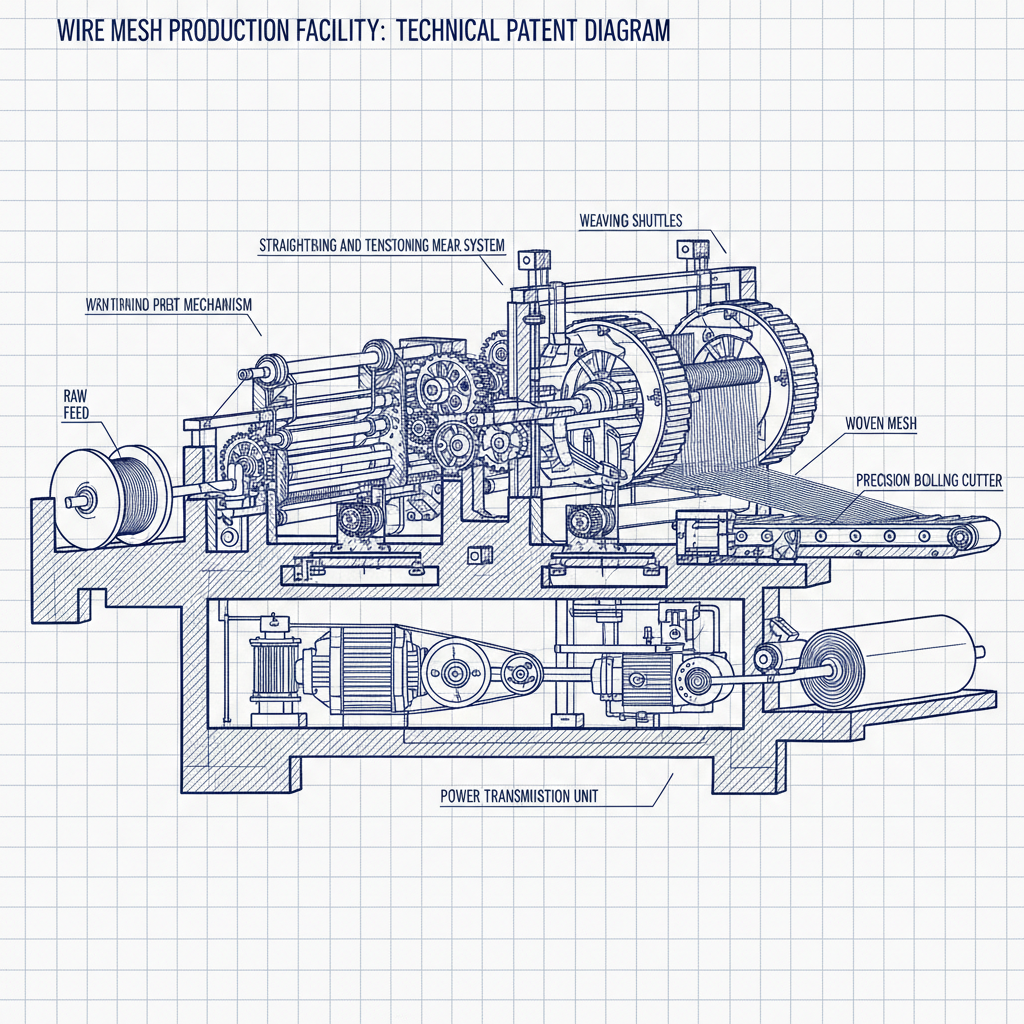
This calculation is not merely about the metal itself but includes the cost of the manufacturing process—such as hot-dip galvanizing, PVC coating, or precision weaving for stainless steel mesh. In humanitarian contexts, such as creating secure enclosures for refugee camps or disaster relief zones, this unit price helps NGOs allocate limited funds efficiently to maximize the area protected.
Ultimately, defining the price per meter provides a transparent benchmark. Whether dealing with heavy-duty Palisade fences or lightweight geomat for erosion control, this standard allows for an "apples-to-apples" comparison between different manufacturers and material grades.
Key Factors Influencing Cost Efficiency
The most immediate driver of the wire mesh price per meter is the material grade. For instance, 316 stainless steel woven mesh will command a significant premium over carbon steel due to its superior corrosion resistance in marine environments, whereas aluminum fencing offers a lightweight, rust-free alternative at a mid-range price point.
Coating technology also plays a pivotal role. Hot-dip galvanizing provides a thick protective layer of zinc that drastically lowers the long-term maintenance cost, even if it increases the initial wire mesh price per meter. Conversely, simple electro-galvanizing is cheaper but offers far less protection against oxidation.
Lastly, the geometric complexity of the mesh affects the labor and machine time. A 358 3D metal fence, designed for anti-climb security, requires more precision in welding and shaping than a standard chain link fence, thus reflecting a higher value in the per-meter pricing structure.
Global Applications and Practical Use Cases
The application of wire mesh varies wildly across different global regions. In high-security zones like international airports or data centers, the focus is on "anti-cut" and "anti-climb" properties, where the wire mesh price per meter is secondary to the security rating. In these cases, specialized 3D panels are utilized to prevent intruders from gaining a foothold.
In rural agricultural sectors, such as in the American Midwest or the Australian Outback, horse fences and gabion mesh are used for livestock management and land stabilization. Here, the goal is to balance durability with a competitive wire mesh price per meter to cover vast distances of land without exceeding operational budgets.
Comparison of Security Value vs Wire Mesh Price Per Meter
Long-Term Value and Sustainability Benefits
Investing in a higher quality wire mesh price per meter often results in a lower Total Cost of Ownership (TCO). For example, utilizing high-zinc alloy coatings prevents the need for repainting every few years, reducing both labor costs and the environmental impact of volatile organic compound (VOC) paints.
Furthermore, the move toward recyclable steel and aluminum makes modern wire mesh a sustainable choice. When a fence reaches the end of its life cycle, the high scrap value of the metal helps offset the initial investment, transforming a security expense into a recoverable asset.
Future Trends in Wire Mesh Material Innovation
The industry is currently seeing a shift toward "smart fencing," where sensors are integrated directly into the mesh. While this significantly increases the wire mesh price per meter, the ability to detect intrusions in real-time provides an unmatched level of security for military and high-value industrial zones.
Digital transformation in manufacturing, specifically the use of AI-driven welding and automated coating lines, is helping to stabilize the wire mesh price per meter by reducing waste and increasing production speed. This efficiency allows for more complex designs—like specialized privacy fences—to become affordable for residential use.
Moreover, the development of graphene-enhanced coatings is on the horizon, promising nearly eternal resistance to corrosion. Such innovations will redefine how we perceive value, shifting the focus from the cheapest per-meter price to the most durable lifelong solution.
Overcoming Procurement Challenges and Solutions
One of the primary challenges in procurement is the "price-quality paradox," where buyers attempt to minimize the wire mesh price per meter but end up with undersized wire gauges that fail under pressure. The solution is to insist on Mill Test Certificates (MTC) and third-party quality inspections to ensure that the metal thickness matches the quote.
Logistical costs can also inflate the delivered price. By sourcing from manufacturers who offer optimized packaging for shipping—such as rolled weld mesh or modular panels—companies can reduce freight expenses, effectively lowering the landing wire mesh price per meter.
Collaborating with a technical consultant rather than a simple vendor allows for the optimization of the mesh design. By adjusting the aperture size or wire diameter to the minimum required for the specific security level, buyers can reduce material usage and cost without compromising safety.
Comparative Analysis of Mesh Types and Cost Factors
|
Mesh Category
|
Price Driver (Per Meter)
|
Durability Score (1-10)
|
Primary Use Case
|
| Chain Link |
Low / Economy |
6 |
Residential/Agricultural |
| 358 Anti-Climb |
High / Security |
10 |
Airports/Prisons |
| Stainless Steel |
Premium / Material |
10 |
Chemical Plants/Marine |
| Weld Mesh |
Moderate / Standard |
7 |
Industrial Partitioning |
| Gabion Mesh |
Low-Mid / Bulk |
8 |
Erosion Control/Walls |
| Aluminum Fence |
Mid-High / Alloy |
9 |
Decorative/Coastal |
FAQS
The price is primarily driven by the global market cost of raw steel and aluminum. Additionally, the type of coating (such as hot-dip galvanizing vs. PVC), the wire gauge thickness, and current energy costs for manufacturing all impact the final quote. Shipping and logistics costs also play a significant role depending on the destination.
Not necessarily, but it requires scrutiny. A lower price may result from bulk production efficiency or the use of a lighter wire gauge. However, if the price is significantly below market average, it may indicate inferior coating thickness or recycled steel with higher impurity levels, which reduces the lifespan of the fence.
You should compare them based on "Security Value per Meter" rather than just the raw wire mesh price per meter. 358 mesh is specifically engineered to be anti-climb and anti-cut, meaning while the initial cost is higher, it eliminates the need for additional security measures like barbed wire or constant patrols.
Yes, coatings are a major cost variable. Hot-dip galvanizing is more expensive than electro-galvanizing but offers vastly superior corrosion resistance. PVC coating adds an extra layer of protection and aesthetic choice, which typically increases the per-meter price but extends the product's life in harsh environments.
Most manufacturers offer tiered pricing. For large-scale industrial or governmental projects, buying in bulk reduces the per-unit production and setup cost, allowing the vendor to offer a more competitive price per meter. It is always recommended to request a volume-based quote.
Stainless steel is priced based on the grade (e.g., 304 vs 316) and the weaving complexity. Because the raw material is significantly more expensive and harder to process than carbon steel, the wire mesh price per meter for stainless steel is much higher, but it is essential for saltwater or chemical exposure.
Conclusion
Navigating the complexities of the wire mesh price per meter requires a strategic balance between immediate budget constraints and long-term operational requirements. By understanding the influence of material grades, coating technologies, and global market trends, procurement officers can ensure they are investing in a solution that provides maximum security and durability without unnecessary waste.
Looking ahead, the integration of sustainable materials and smart-fencing technology will continue to shift the industry's focus from simple commodity pricing to value-based procurement. For those seeking a reliable partner to optimize their security infrastructure, focusing on certified quality and technical specifications is the only way to guarantee true cost-efficiency. Visit our website for professional solutions: www.bangjunmesh.com