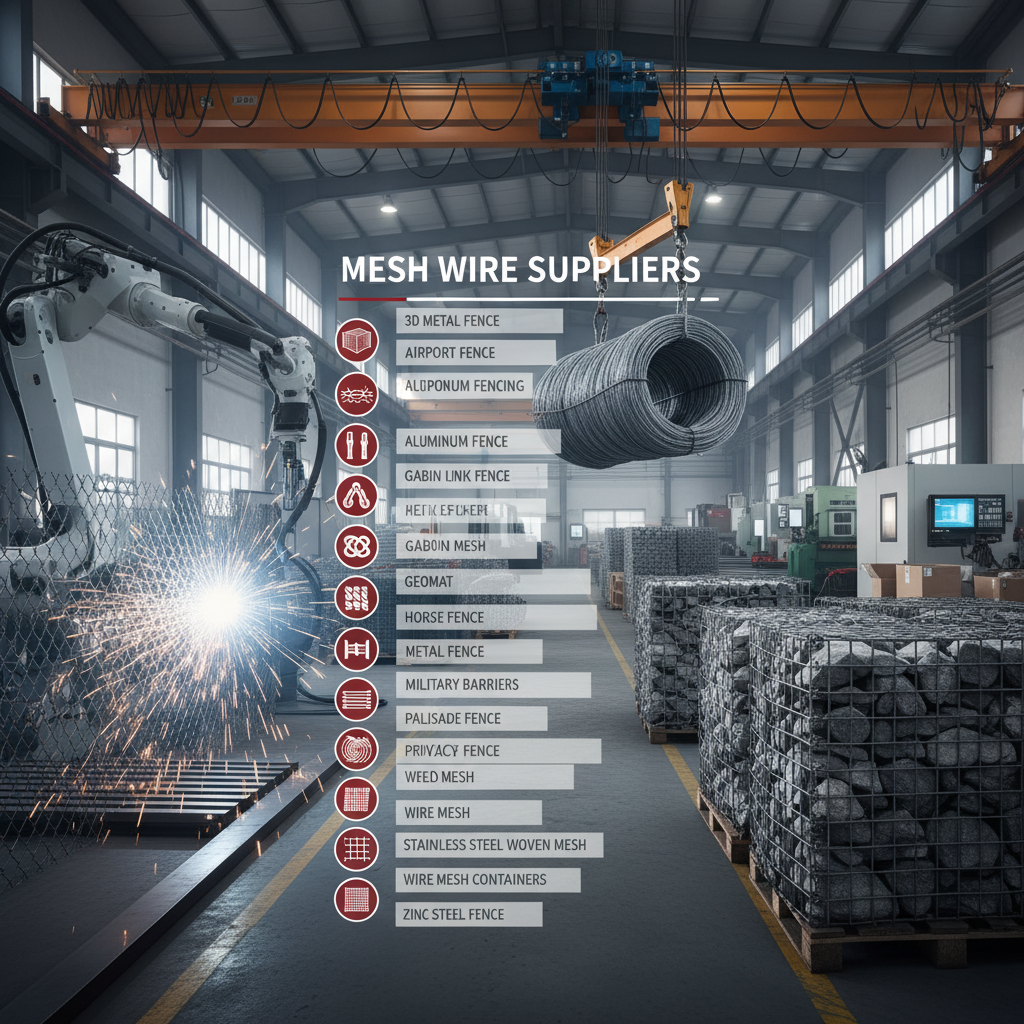
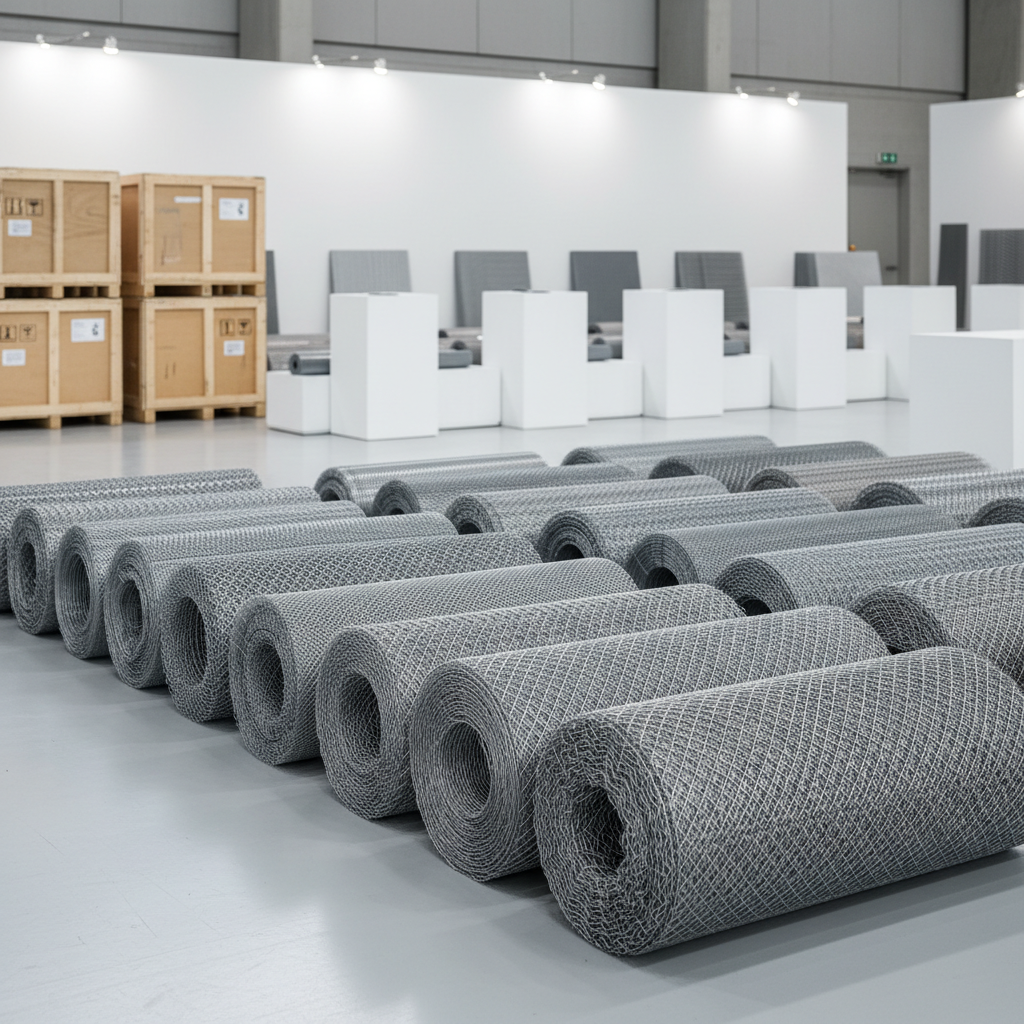
Finding reliable mesh wire suppliers is a critical strategic decision for any organization tasked with securing high-value infrastructure or managing large-scale industrial boundaries. In an era where security threats are evolving and environmental conditions are becoming more extreme, the quality of the wire mesh—ranging from the tensile strength of the steel to the precision of the galvanization—determines the longevity and effectiveness of the entire perimeter system.
The global demand for specialized fencing solutions has surged, driven by the rapid expansion of airport hubs, military installations, and urban infrastructure projects. This increase in demand has placed a spotlight on the capabilities of professional mesh wire suppliers to provide not just a product, but an engineered solution that meets international standards such as ISO and ASTM. Whether it is a high-security 358 3D Metal Fence or a flexible Gabion Mesh for erosion control, the right supplier ensures that structural integrity is never compromised.
Understanding the nuances of the wire mesh industry allows procurement managers and engineers to optimize their budgets while maximizing safety. By analyzing the technical specifications provided by top-tier mesh wire suppliers, stakeholders can avoid the costly pitfalls of premature corrosion and structural failure. This comprehensive guide explores the ecosystem of mesh wire procurement, the technical benchmarks of quality, and the future of secure perimeter solutions.
Global Relevance of Mesh Wire Suppliers
On a global scale, the role of mesh wire suppliers extends far beyond simple manufacturing; they are essential partners in national security and civil engineering. According to industrial data, the move toward sustainable urbanization has increased the reliance on versatile metal fencing, such as Aluminum Fencing and Stainless Steel Woven Mesh, to create safe public spaces and secure industrial zones.
The challenge often lies in the disparity between low-cost, generic imports and high-specification engineering. When critical infrastructure like airports or military bases rely on sub-par materials, the risk of breach or environmental degradation increases exponentially. Professional suppliers bridge this gap by adhering to strict quality control protocols that ensure every weld and coating can withstand the specific rigors of the local climate.
Defining Professional Mesh Wire Suppliers
In the most basic terms, mesh wire suppliers are specialized manufacturers and distributors that produce interwoven or welded metal wires to create structural grids. However, a "professional" supplier is defined by their ability to customize these grids—adjusting aperture size, wire gauge, and coating thickness—to meet the exact mechanical requirements of a project, whether it's a lightweight Horse Fence or a heavy-duty Military Barrier.
Beyond the physical product, these suppliers provide the essential technical documentation required for modern building codes. This includes mill test reports (MTRs) and corrosion resistance certifications, which are vital for projects involving Stainless Steel Woven Mesh in chemical plants or coastal regions where saltwater accelerates oxidation.
Modern industry now views these suppliers as solution providers. They don't just sell "wire"; they provide security architectures. For instance, the integration of 358 3D Metal Fences (often called "prison mesh") demonstrates how suppliers collaborate with security experts to create anti-climb and anti-cut barriers that protect humanitarian zones and high-security government facilities.
Key Factors in Selecting Mesh Wire Suppliers
The first and most critical factor when auditing mesh wire suppliers is Material Durability. The choice between hot-dipped galvanized steel, PVC coating, or marine-grade aluminum determines the lifecycle of the fence. A supplier's ability to guarantee a specific lifespan under harsh conditions is a hallmark of their expertise.
Secondly, Structural Scalability is paramount. High-quality mesh wire suppliers offer a diverse portfolio—from Gabion Mesh for slope stabilization to Temporary Fence systems for construction sites. This versatility ensures that a single vendor can support a project from its initial temporary phase through to its permanent high-security completion.
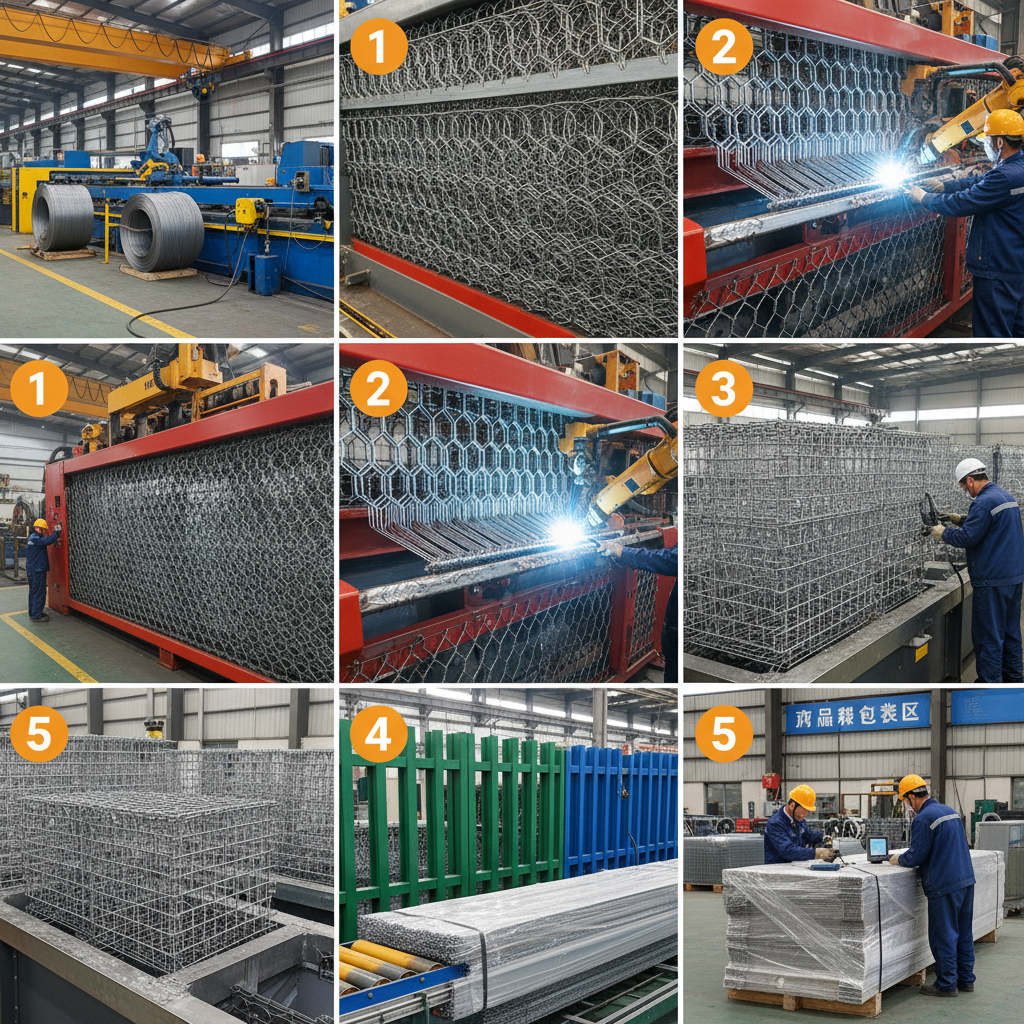
Finally, Cost Efficiency vs. Long-term Value must be balanced. While initial procurement costs are important, the total cost of ownership includes maintenance and replacement. Suppliers who utilize advanced robotic welding for Weld Mesh and precision coating techniques offer a lower long-term cost by reducing the frequency of rust-related repairs.
Global Applications and Practical Use Cases
The practical application of products from mesh wire suppliers spans across nearly every continent, adapting to various environmental and political needs. In North America and Europe, there is a heavy emphasis on Privacy Fence and Aluminum Fencing for residential and commercial aesthetics, blending security with architectural harmony.
In contrast, in remote industrial zones or post-disaster relief operations in Southeast Asia and Africa, Gabion Mesh and Chain Link Fence are utilized for their rapid deployment capabilities. These materials are essential for creating makeshift barriers, stabilizing riverbanks to prevent flooding, and securing emergency supply depots in unstable terrains.
Performance Comparison of Mesh Wire Suppliers' Product Lines
Long-Term Value and Strategic Advantages
Investing in premium products from reputable mesh wire suppliers provides a tangible psychological and logical advantage: peace of mind. When a Palisade Fence or an Airport Fence is installed, the primary goal is the prevention of unauthorized access. The reliability of the weld and the resistance of the coating provide a "silent security" that reduces the need for constant manual surveillance.
Furthermore, the sustainability aspect of modern wire mesh cannot be overlooked. High-quality stainless steel and aluminum are infinitely recyclable. By partnering with suppliers who implement green manufacturing processes, companies can reduce their carbon footprint while ensuring that their security infrastructure remains functional for decades, thereby avoiding the waste associated with cheap, disposable fencing.
Future Trends in Wire Mesh Technology
The industry is currently witnessing a digital transformation where mesh wire suppliers are integrating "smart" components into their physical barriers. We are seeing the emergence of fence sensors and fiber-optic cables woven directly into the mesh structure, allowing for real-time intrusion detection and immediate alerts to security centers.
Material science is also evolving, with the introduction of nano-coatings that offer unprecedented resistance to extreme acids and salty environments. These innovations mean that products like Stainless Steel Woven Mesh will soon be available with self-healing properties, where minor scratches in the protective layer can seal themselves, preventing the onset of oxidation.
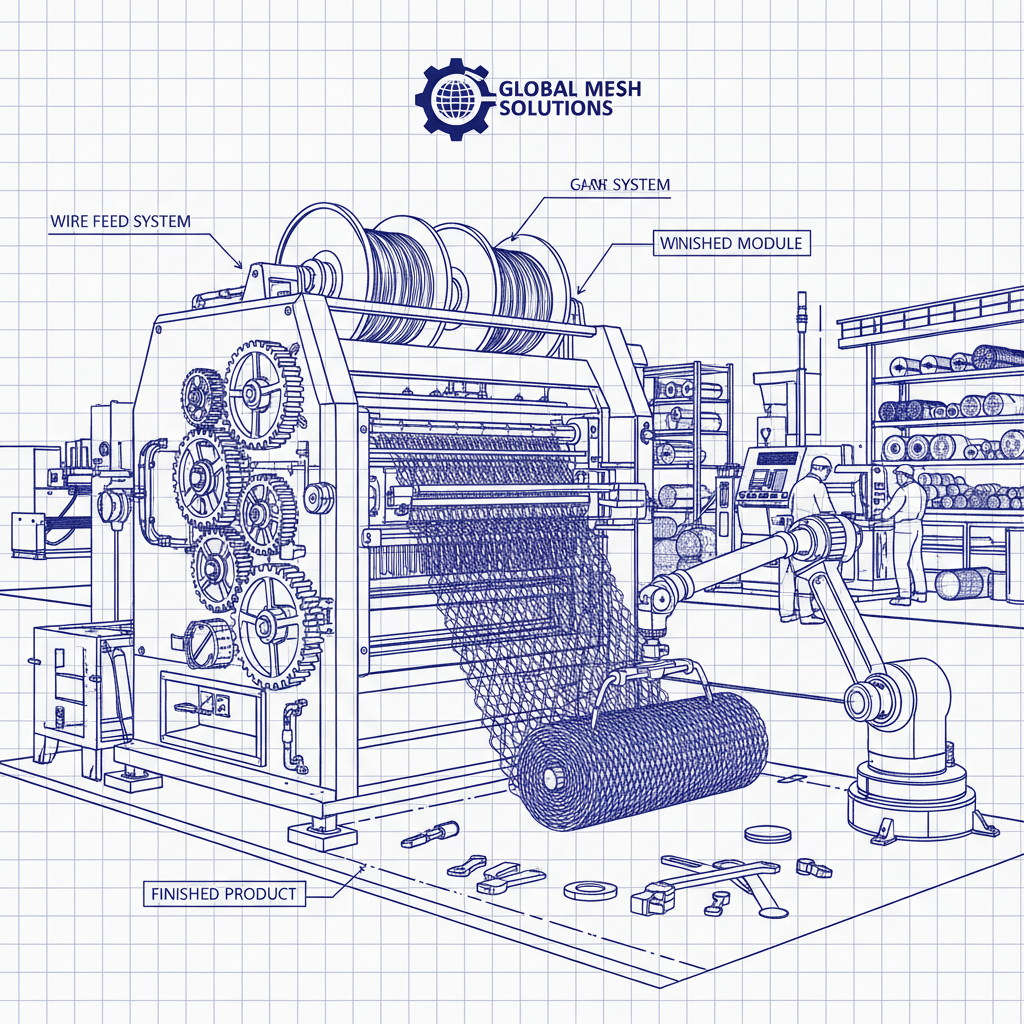
Automation in the production phase is further increasing precision. Robotic 3D welding allows for more complex geometries in 3D Metal Fences, creating shapes that are not only more aesthetically pleasing but also structurally superior in resisting impact and cutting.
Overcoming Challenges in Mesh Procurement
One of the most common limitations in the current market is the "specification gap," where the product delivered by mesh wire suppliers does not perfectly align with the engineering blueprints. To overcome this, leading firms are adopting rigorous Pre-Shipment Inspections (PSI) and requesting sample batches for destructive testing to verify tensile strength and coating thickness.
Logistical complexities also pose a challenge, especially for bulky items like Wire Mesh Containers or heavy Palisade Fencing. Expert suppliers solve this by offering modular designs that maximize shipping container space and provide clear, step-by-step installation guides to reduce on-site errors and labor costs.
Finally, the fluctuation of raw metal prices can lead to budget overruns. Experienced procurement officers mitigate this risk by establishing long-term framework agreements with their suppliers, locking in prices for specific volumes and ensuring a stable supply chain regardless of market volatility.
Comparative Analysis of Mesh Wire Procurement Strategies
| Procurement Model |
Quality Control Level |
Lead Time Reliability |
Total Cost of Ownership |
| Low-Cost Generic |
Low (Random Sampling) |
Unstable |
High (Frequent Replacement) |
| Certified Industrial |
Medium (ISO Standards) |
Predictable |
Moderate |
| Premium Engineered |
Very High (Custom Testing) |
Highly Reliable |
Low (Long-term durability) |
| Local Small-Scale |
Variable |
Fast (Short Distance) |
Moderate |
| Strategic Partner |
Integrated QC |
Optimized (JIT Delivery) |
Lowest (Scale Economies) |
| Specialty Niche |
High (Application Specific) |
Slow (Custom Build) |
Moderate to High |
FAQS
To verify a supplier, request a comprehensive quality portfolio including ISO certifications and ASTM test reports. Ask for specific mill test reports (MTR) for the wire used and a coating thickness report (microns) for galvanized products. A reputable supplier will be transparent about their raw material sources and will provide samples for independent third-party laboratory testing to ensure the tensile strength and corrosion resistance meet your project's blueprints.
For coastal areas, we highly recommend Stainless Steel Woven Mesh (Grade 316) or high-grade Aluminum Fencing. These materials are naturally resistant to chloride-induced corrosion. If budget constraints require galvanized steel, ensure your mesh wire suppliers use a "heavy" hot-dipped galvanization process with an optional PVC or powder coating to provide an extra barrier against saltwater spray and humidity.
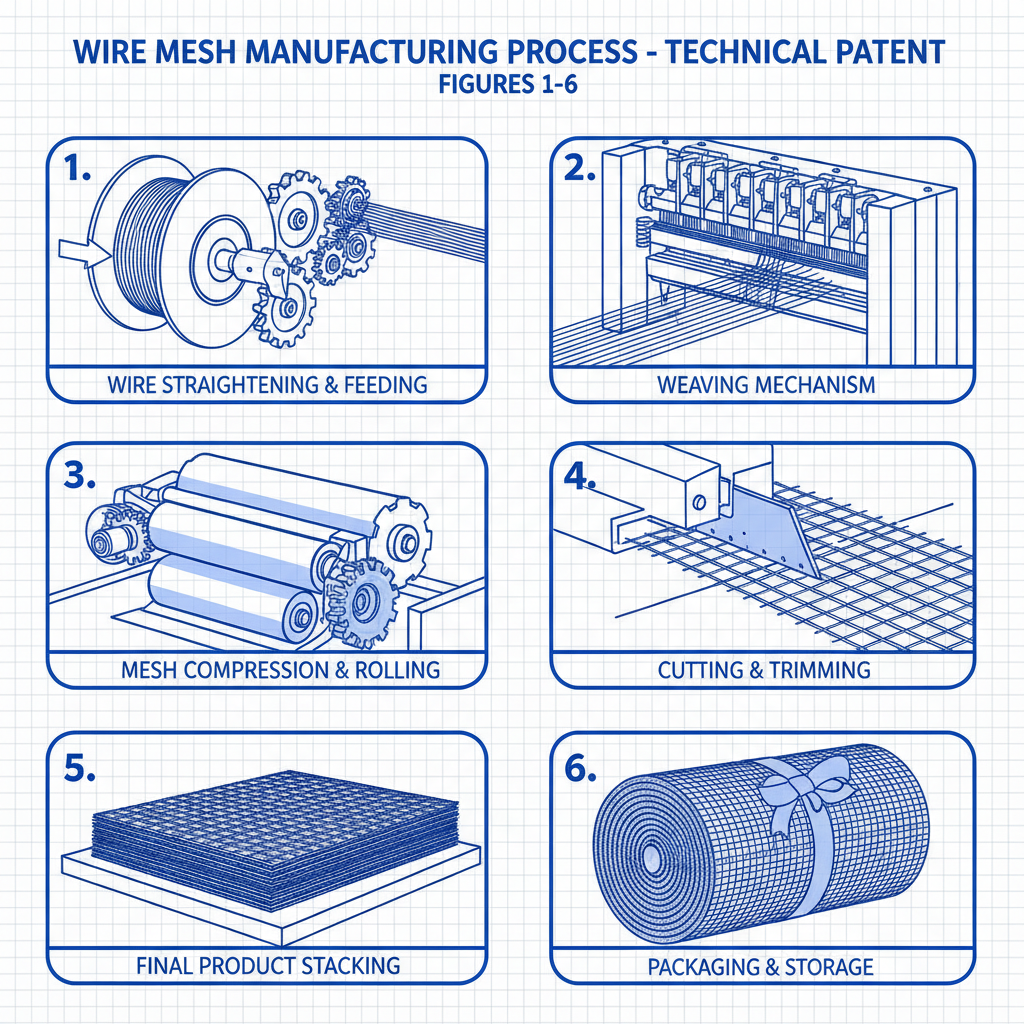
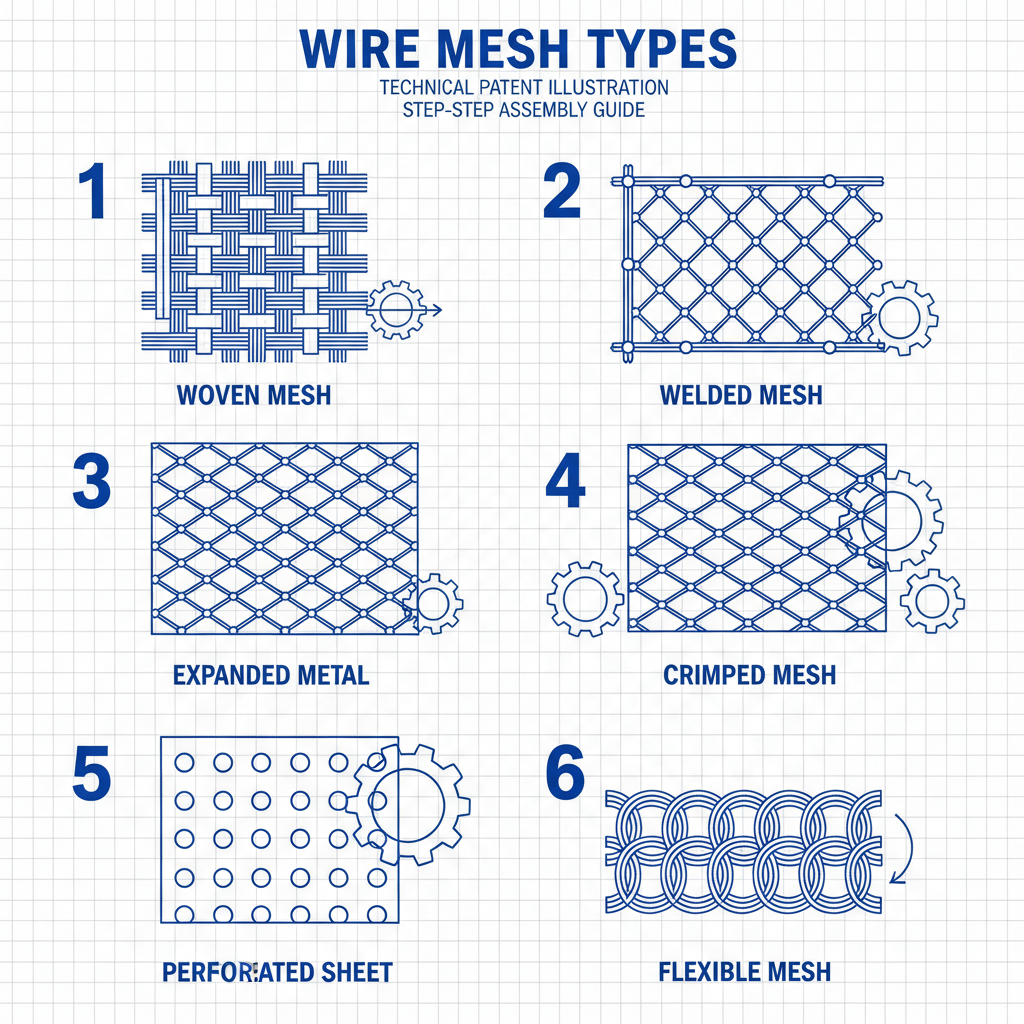
Welded mesh is created by fusing wires together at each intersection using heat and pressure, resulting in a rigid, stable structure ideal for security fences (like 358 3D Metal Fence) and containers. Woven mesh is created by interlacing wires over and under each other, which provides more flexibility and is typically used for filtering, sieving, or specialized industrial enclosures. The choice depends on whether you need structural rigidity or pliable filtration.
Generally, yes. Modular systems from established mesh wire suppliers reduce on-site labor costs and installation time significantly. Because the panels are pre-fabricated to precise specifications, the risk of human error during installation is minimized. While custom builds may offer a perfect fit for irregular terrains, modular systems provide a faster ROI and easier replacement of damaged sections in the future.
The lifespan varies based on the coating thickness and environment. In a rural, low-pollution area, a standard hot-dipped galvanized fence from a quality supplier can last 20-30 years. In an industrial or coastal zone, this may drop to 5-10 years unless a PVC coating or additional powder coating is applied. Always check the zinc coating weight (g/m²) provided by your supplier to estimate the longevity.
Yes, professional suppliers can customize the aperture (the size of the hole) and the wire gauge to meet specific needs. For example, smaller apertures are required for anti-climb security or animal containment, while larger apertures are used for Gabion Mesh or decorative fencing. Ensure you provide a technical drawing to the supplier to avoid misunderstandings regarding the "clear opening" versus the "center-to-center" measurements.
Conclusion
Selecting the right mesh wire suppliers is an investment in the long-term security, safety, and sustainability of any physical asset. From the technical precision of 358 3D Metal Fences to the rugged utility of Gabion Mesh, the quality of the material and the expertise of the manufacturer are the two most critical variables. By prioritizing material certifications, scalability, and a proven track record of global applications, organizations can ensure their perimeter solutions remain impenetrable and maintenance-free for decades.
Looking forward, the integration of smart technology and advanced nano-coatings will redefine the boundaries of security fencing. We encourage procurement managers and engineers to move beyond "lowest-bid" logic and instead seek strategic partnerships with suppliers who offer engineered solutions and transparent quality assurance. For those seeking world-class metal fencing and mesh solutions, we invite you to explore our full range of industrial-grade products. Visit our website: www.bangjunmesh.com