The Strength and Flexibility of Gabion Mesh in Modern Engineering and Landscaping
Oct . 15, 2025 13:44 Back to list
The Strength and Flexibility of Gabion Mesh in Modern Engineering and Landscaping
Gabion mesh has become an indispensable material in both civil engineering and landscape architecture, providing durable, eco-friendly, and visually appealing solutions for erosion control, slope stabilization, and structural reinforcement. Composed of welded or woven wire grids, gabion mesh forms cages or baskets filled with stones or other natural materials, creating structures that are both functional and decorative. Whether used in gabion wire mesh retaining walls or gabion fence panels for property boundaries, this versatile material offers a balance between strength, flexibility, and environmental sustainability.
Applications of Gabion Mesh in Civil Engineering and Environmental Projects
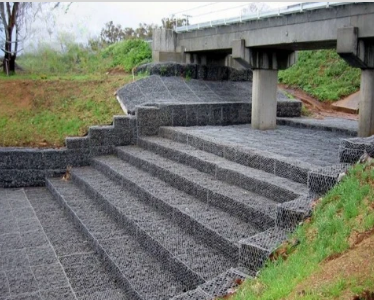
In civil engineering, gabion mesh baskets play a crucial role in stabilizing slopes, preventing soil erosion, and protecting shorelines. The porous design allows water to flow freely through the structure, reducing hydrostatic pressure and preventing damage caused by trapped moisture. Gabion wire mesh is often installed along riverbanks, roadsides, and railway embankments to reinforce weak soil structures. One of its most notable applications is the construction of stone cage retaining walls, which are designed to hold back soil on steep terrains. Unlike rigid concrete walls, gabion walls are flexible and can adjust to ground movements without cracking, making them ideal for areas prone to erosion or seismic activity. This adaptability, combined with the use of natural materials, allows engineers to design sustainable solutions that blend seamlessly into their surroundings.
Gabion Mesh in Landscaping and Architectural Design
Beyond engineering, gabion mesh has gained popularity in landscape design for its natural aesthetic and versatility. Designers and homeowners use gabion fence panels to create stylish boundary walls, garden dividers, and privacy screens that combine structural strength with rustic beauty. The natural stones inside the mesh create an appealing visual texture, while the wire framework provides durability and long-lasting performance. Gabion structures are also used in outdoor seating areas, planters, and decorative facades, enhancing the visual appeal of residential and commercial properties. The use of gabion mesh baskets in landscaping not only adds aesthetic value but also supports sustainability by promoting natural water drainage and reducing the need for artificial building materials.
Advantages of Using Gabion Wire Mesh in Construction
The growing popularity of gabion mesh can be attributed to its numerous advantages. First and foremost is its flexibility. The mesh can easily conform to irregular terrains, making it ideal for projects in areas with uneven ground. It can also withstand ground movement, floods, and temperature fluctuations without losing structural integrity. Another major advantage is cost-efficiency. Compared to conventional concrete or brick retaining walls, gabion structures require less labor and use locally sourced filling materials such as stones or gravel, significantly reducing overall project costs. Additionally, when constructed using galvanized or PVC-coated gabion wire mesh, these structures offer excellent resistance to corrosion and weathering, ensuring long-term durability. Environmental sustainability is another key benefit—gabions support vegetation growth, integrate with natural landscapes, and allow water to pass through, thereby reducing runoff and promoting ecological balance.
Construction and Maintenance of Stone Cage Retaining Walls
Building a stone cage retaining wall using gabion mesh baskets is a relatively straightforward process that combines simplicity with effectiveness. The mesh baskets are first assembled and placed in position, then filled with rocks, stones, or other durable materials. The weight of the filled cages provides stability, while their permeable structure prevents water buildup behind the wall. Over time, vegetation can grow between the stones, further strengthening the wall and enhancing its appearance. Maintenance is minimal—gabion walls naturally adjust to environmental changes and rarely require replacement or repair. Their resilience makes them suitable for use in both urban infrastructure and rural landscapes, from road embankments and bridge abutments to garden terraces and decorative partitions.
Gabion Mesh FAQs
What is gabion mesh and how is it used?
Gabion mesh is a wire mesh structure used to create baskets or cages filled with stones, rocks, or other materials. It is widely used in civil engineering, environmental protection, and landscaping for purposes such as erosion control, slope stabilization, and retaining wall construction. Its open-grid design allows water drainage, reducing soil pressure and preventing erosion.
What materials are gabion baskets made from?
Gabion mesh baskets are typically made from galvanized steel wire, PVC-coated wire, or stainless steel. These materials provide excellent resistance to corrosion and environmental wear. The choice of wire depends on the project’s conditions—galvanized mesh is ideal for general use, while PVC-coated or stainless steel mesh offers better performance in humid or coastal environments.
How does gabion wire mesh help prevent soil erosion?
Gabion wire mesh prevents soil erosion by allowing water to flow through its structure while holding soil and stones firmly in place. The permeability of the mesh reduces the buildup of hydrostatic pressure, which is a common cause of slope failure. The stones inside the cages also absorb and dissipate the energy of flowing water, protecting the terrain from erosion.
What are gabion fence panels used for?
Gabion fence panels are used in landscaping and architecture as decorative and functional boundary structures. They provide privacy, sound insulation, and a natural aesthetic. These panels can be filled with different materials such as stones, glass, or wood pieces to achieve customized visual effects, making them popular for both residential and commercial properties.
Are stone cage retaining walls durable and eco-friendly?
Yes, stone cage retaining walls are highly durable and environmentally friendly. When constructed with galvanized or PVC-coated mesh, they can last for decades without corrosion. Their natural stone filling allows them to integrate seamlessly into the environment, promoting vegetation growth and supporting water drainage, which makes them a sustainable alternative to traditional concrete walls.
-
Live Scene: Bulk Zinc Steel Fence Packing at Our Factory!
NewsApr.27,2026
-
How to Install Sheet Metal Along Bottom of Fence for Protection
NewsApr.16,2026
-
High Quality Sheet Fence Panels for Secure Boundary Protection
NewsApr.09,2026
-
Comprehensive Guide to Metal Furring Fence Systems and Applications
NewsApr.07,2026
-
Elevate Outdoor Aesthetics with Durable Decorative Metal Sheets Outdoor
NewsApr.04,2026
-
Australian Client Case Study: Vinyl Ranch Rail Fence Project
NewsJan.13,2026