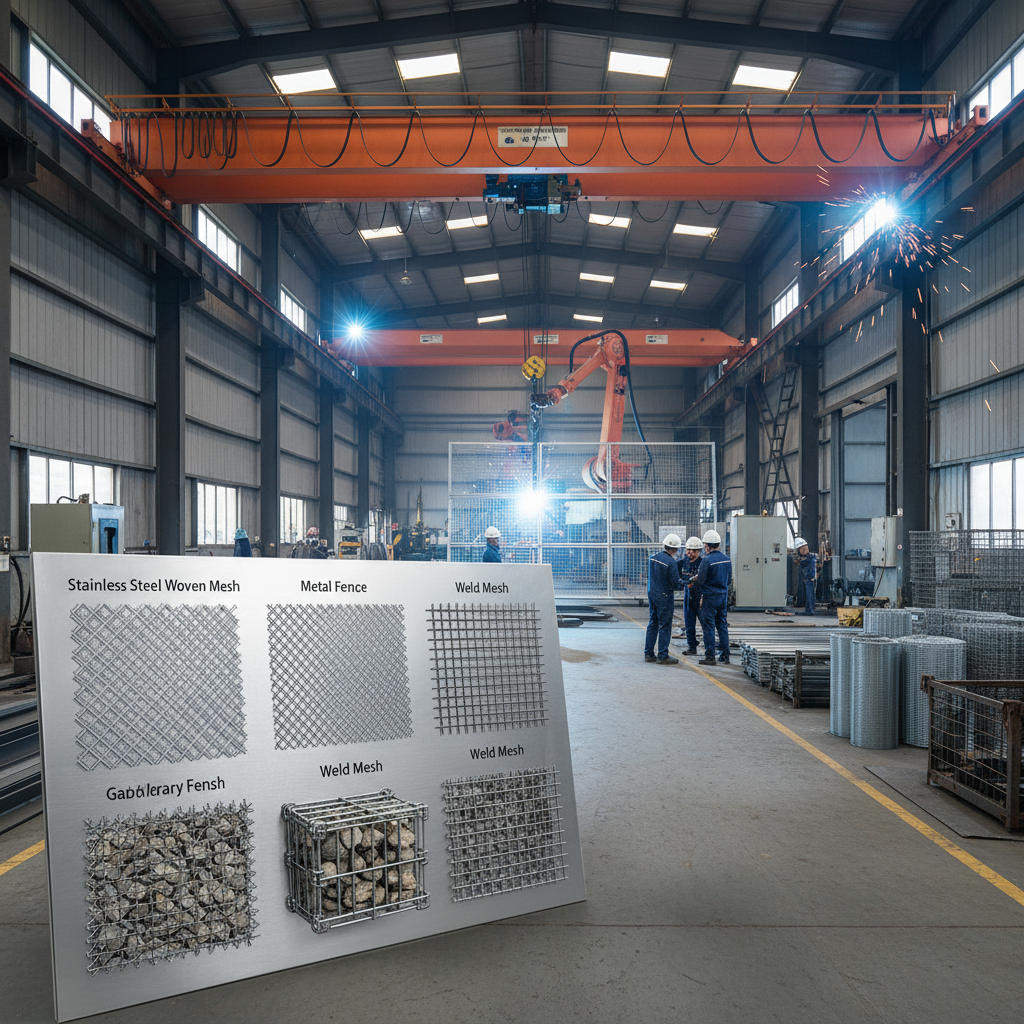
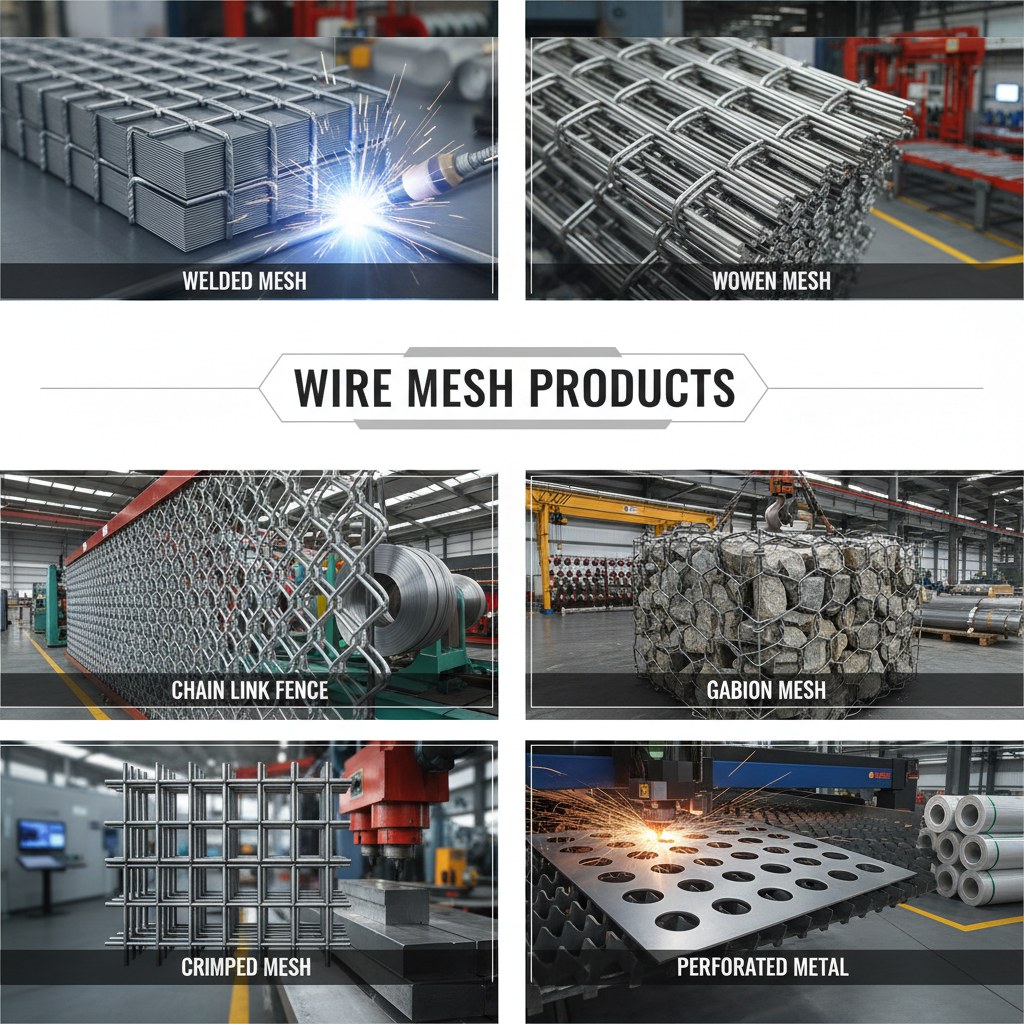
When it comes to securing industrial perimeters or designing architectural filtration systems, understanding the various types of wire mesh is fundamental. From heavy-duty security barriers to precision-engineered woven filters, the diversity of mesh configurations allows engineers and contractors to balance strength, visibility, and cost-effectiveness. In a global market where security and infrastructure longevity are paramount, selecting the right mesh is not just a technical choice but a strategic investment in safety.
The versatility of these materials spans across multiple sectors, including agriculture, urban construction, and high-security military installations. Whether it is the rigidity of a 3D metal fence or the flexibility of a chain link system, each variety of wire mesh is engineered to tackle specific environmental stressors, such as saltwater corrosion in coastal regions or high-impact intrusions in airport zones.
As global standards for infrastructure (such as ISO certifications) evolve, the industry is shifting toward smarter materials and more sustainable manufacturing processes. By exploring the different types of wire mesh, users can optimize their projects for maximum durability while reducing long-term maintenance overhead, ensuring that the chosen solution meets both current regulatory requirements and future operational needs.
Global Industry Relevance of Wire Mesh
On a global scale, the demand for diverse types of wire mesh is driven by the rapid expansion of urban infrastructure and the increasing need for secure borders. According to industrial trade data, the metal fencing and mesh sector remains a cornerstone of the construction industry, providing essential solutions for everything from temporary site hoarding to permanent airport security. The challenge often lies in the "one size fits all" fallacy; utilizing the wrong mesh type in a corrosive environment can lead to premature failure and costly replacements.
In emerging economies, the adoption of standardized wire mesh products has accelerated the development of safe industrial zones. By implementing high-tensile weld mesh or galvanized chain link systems, countries are able to protect critical assets—such as power grids and water treatment plants—more efficiently. This global reliance underscores the importance of selecting a mesh that aligns with specific regional climates and security threats.
Technical Definitions and Industrial Meaning
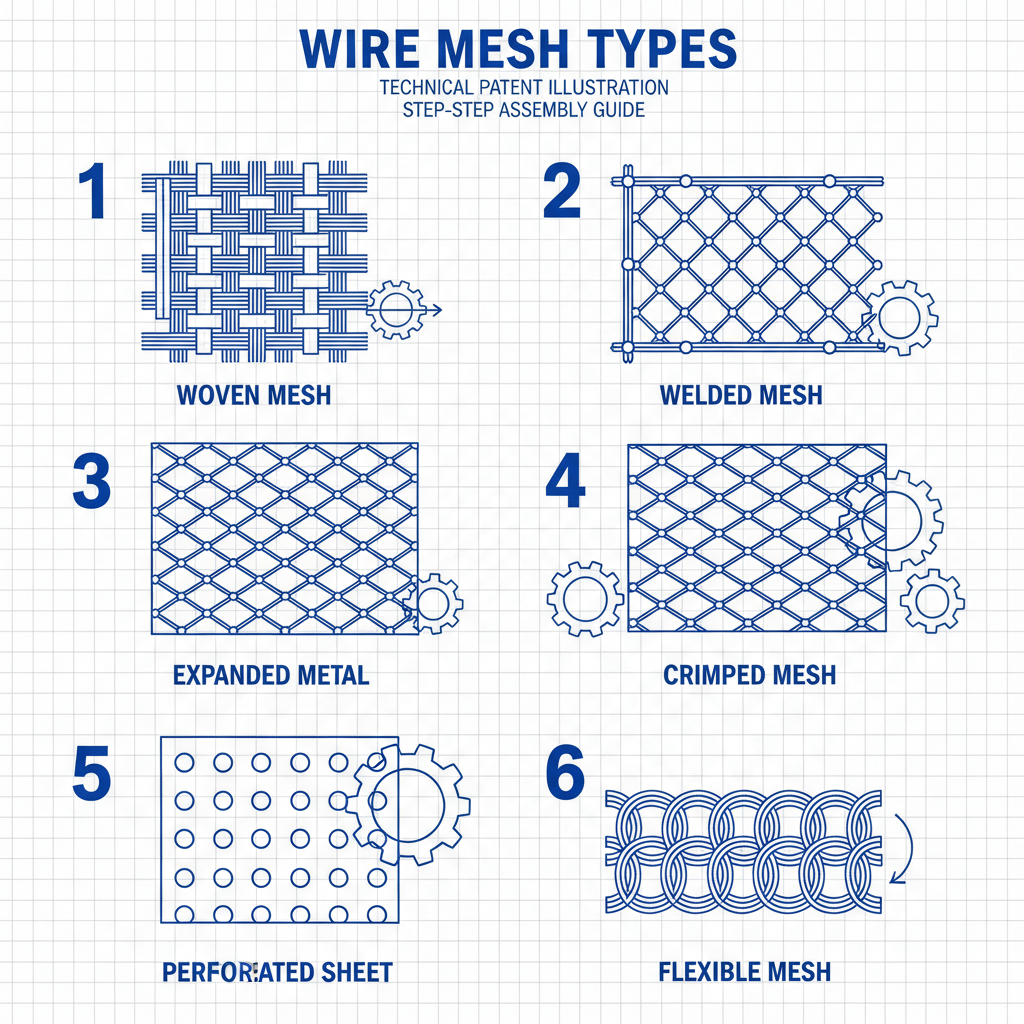
In simple terms, types of wire mesh refer to the varied ways metal wires are interlaced, woven, or welded to create a stable, permeable barrier or surface. While a layman might see a simple "fence," an engineer sees a calculated combination of wire gauge, aperture size, and coating material designed to withstand specific pressures or filtration requirements.
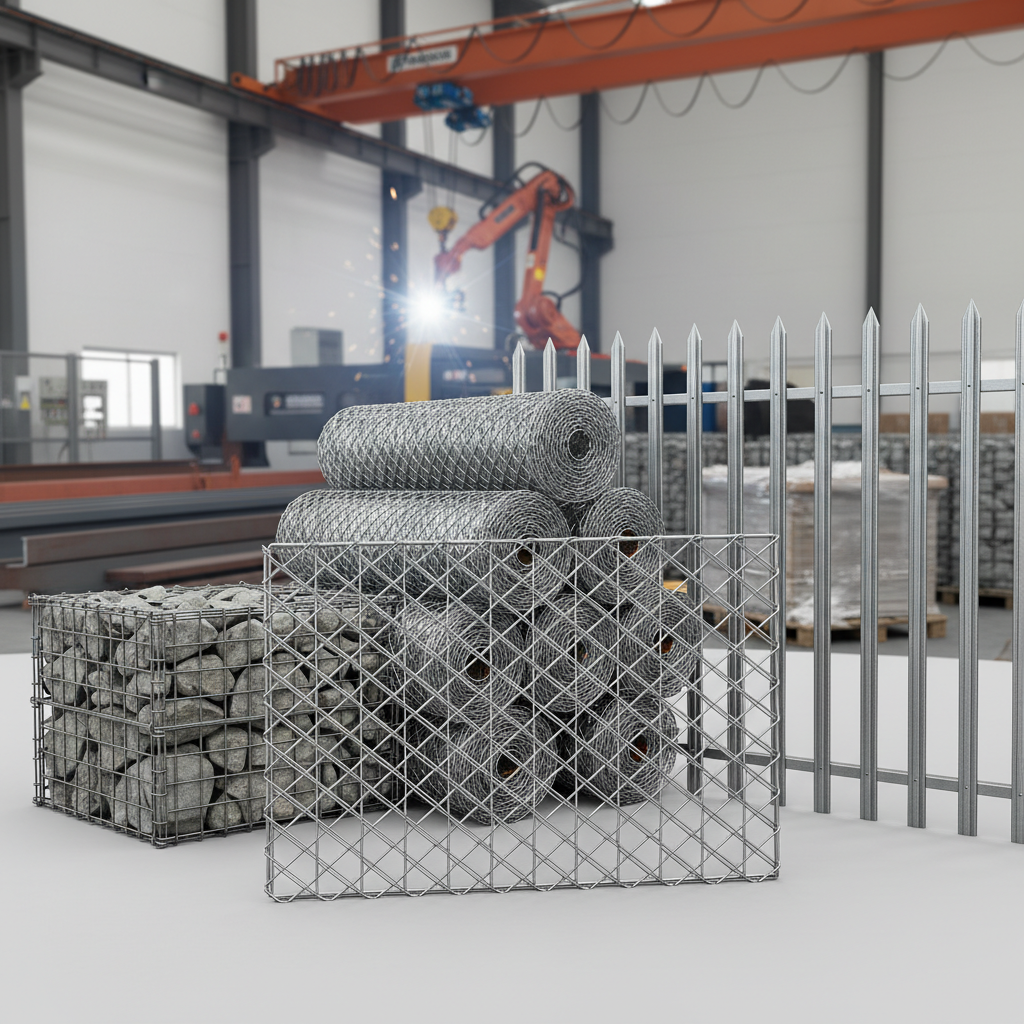
From an industrial perspective, wire mesh is the intersection of metallurgy and geometry. Whether it is the intricate weave of stainless steel woven mesh for chemical filtration or the heavy-duty structure of a Palisade fence for high-security perimeters, the "meaning" of the mesh is defined by its utility. It transforms a raw material—steel or aluminum—into a functional tool for containment, protection, or separation.
Modern humanitarian needs have also redefined the application of these materials. For instance, Gabion mesh is now widely used in erosion control and disaster-prone areas to stabilize slopes and prevent landslides, proving that wire mesh is not only about exclusion but also about environmental preservation and community safety.
Core Components of Mesh Performance
When evaluating various types of wire mesh, durability is the primary benchmark. This is determined by the base material (such as galvanized steel or PVC-coated wire) and the thickness of the coating, which prevents oxidation and ensures the structure remains intact despite exposure to harsh weather or industrial pollutants.
Scalability and installation efficiency are equally critical. For large-scale projects like airport fences or military barriers, the ability to deploy modular panels—such as the 358 3D Metal Fence—significantly reduces labor costs and time-to-completion, allowing for rapid perimeter establishment without compromising structural integrity.
Finally, cost-efficiency must be balanced with the intended lifespan of the installation. While a basic chain link fence offers a lower initial investment, a high-grade stainless steel mesh may offer a lower Total Cost of Ownership (TCO) over twenty years due to its extreme resistance to corrosion and minimal maintenance requirements.
Comparative Analysis of Mesh Efficiency
Selecting between different types of wire mesh requires a quantitative understanding of how each performs under pressure. For example, weld mesh offers superior rigidity compared to woven mesh, making it ideal for structural reinforcement and security, whereas woven mesh provides the flexibility needed for specialized filtration.
The following data illustrates the performance ratings of common mesh configurations across different key metrics, helping users identify which solution best fits their operational priorities.
Performance Comparison of Common Types of Wire Mesh
Global Applications and Real-World Use Cases
In real-world contexts, the application of types of wire mesh varies wildly by geography. In North American industrial zones, privacy fences and chain link systems are standard for warehouse perimeters. Conversely, in European architectural projects, aluminum fencing is often preferred for its aesthetic appeal and natural resistance to corrosion in humid climates.
High-security sectors, such as international airports and military bases, rely on specialized "anti-climb" mesh. The 358 3D Metal Fence is a prime example, utilizing narrow apertures that prevent finger or toe holds, effectively neutralizing climbing attempts. Similarly, in remote mining areas of Australia or Africa, Gabion mesh is used to create heavy-duty retaining walls that can withstand extreme soil pressure and flash flooding.
Long-Term Value and Sustainable Advantages
Investing in high-quality types of wire mesh provides tangible long-term value. Beyond the obvious safety benefits, there is a significant emotional angle: the peace of mind that comes with knowing a facility is impenetrable. For corporate entities, this translates to lower insurance premiums and a reinforced reputation for operational reliability and asset protection.
Sustainability is also becoming a key driver. Modern wire mesh is increasingly produced from recycled steel, and the longevity of galvanized coatings reduces the frequency of replacement, thereby lowering the carbon footprint of the construction project. This alignment with "Green Building" certifications makes metal mesh a preferred choice for LEED-certified projects.
Furthermore, the modularity of contemporary mesh systems allows for easy repairs. Instead of replacing an entire fence line, a single damaged panel of weld mesh can be swapped out, drastically reducing material waste and ensuring that the protective barrier remains consistent over decades of use.
Future Trends and Material Innovations
The future of types of wire mesh is being shaped by digital transformation and material science. We are seeing the emergence of "Smart Fencing," where sensors are integrated directly into the mesh structure to detect vibrations or breaches in real-time, feeding data instantly to a centralized security hub.
Innovations in coatings are also pushing boundaries. Nano-coatings and advanced polymer wraps are being developed to provide nearly absolute resistance to chemical corrosion, which is vital for mesh used in desalination plants or chemical refineries. These advancements ensure that the mesh does not just act as a barrier, but as an intelligent component of the building's skin.
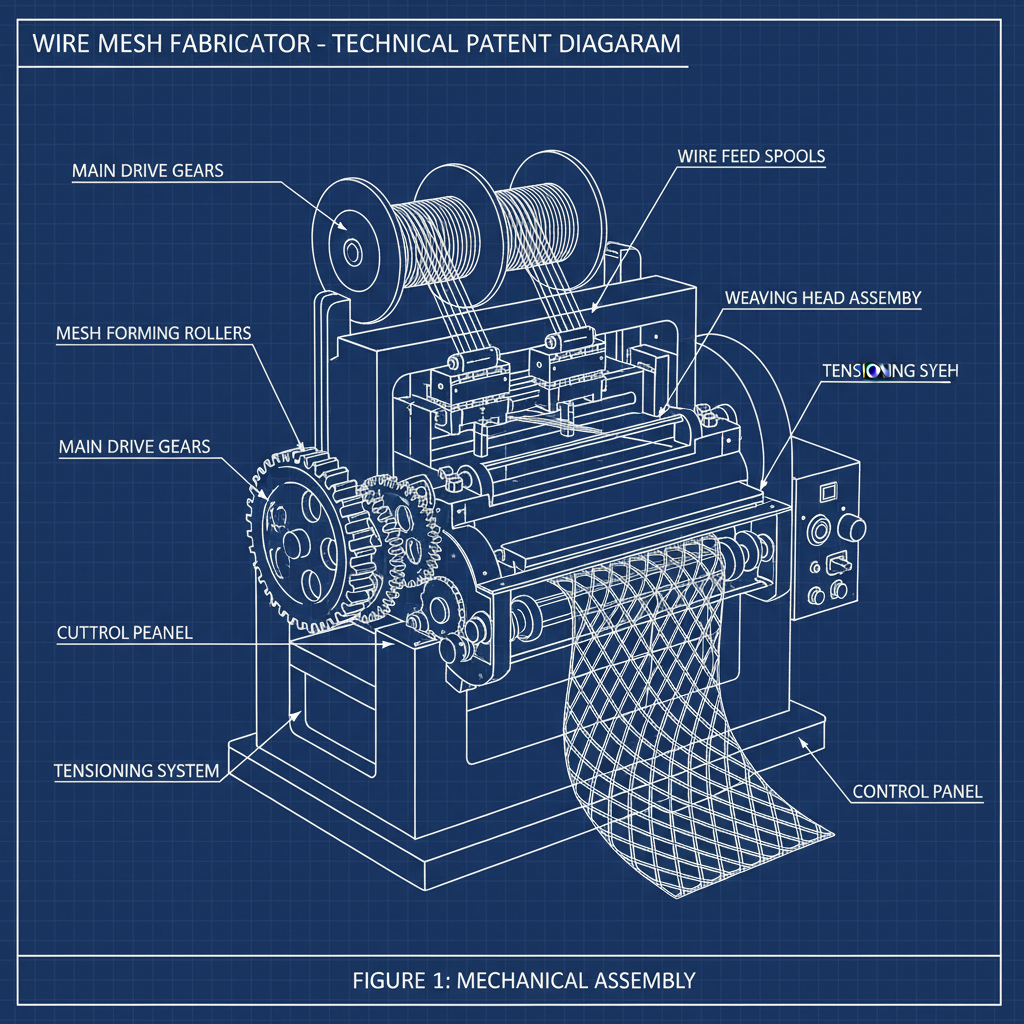
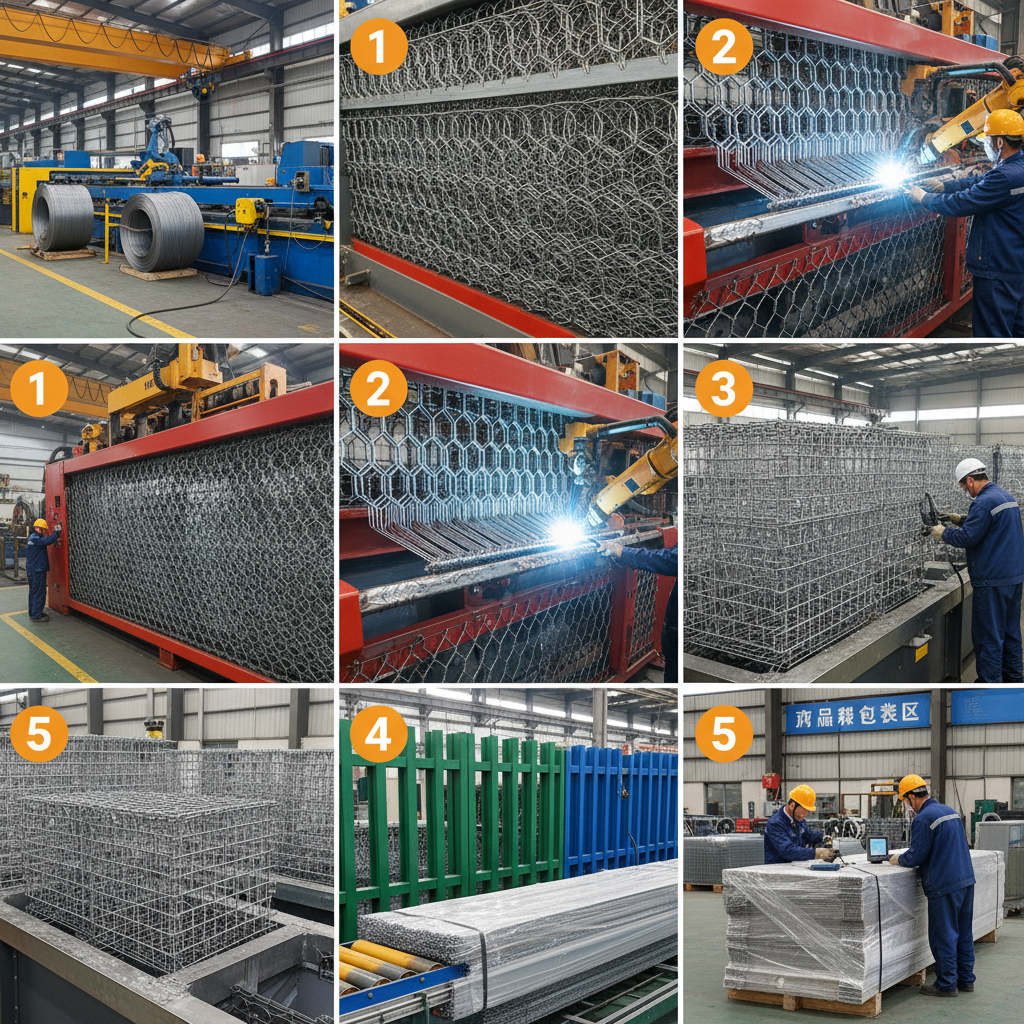
Automation in manufacturing, specifically robotic welding and precision weaving, is allowing for tighter tolerances and more consistent quality. This means that the gap between "industrial grade" and "architectural grade" is closing, allowing high-security mesh to be used in luxury urban designs without sacrificing the aesthetic.
Comparison Analysis of Mesh Material Performance and Application
| Mesh Category |
Primary Material |
Durability Score (1-10) |
Ideal Use Case |
| 358 Mesh |
High-Tensile Steel |
10 |
Airport/Prison Security |
| Chain Link |
Galvanized Steel |
6 |
Residential/Sports Fields |
| Woven Mesh |
Stainless Steel |
9 |
Industrial Filtration |
| Gabion Mesh |
Zinc-Alum Steel |
8 |
Erosion Control |
| Aluminum Mesh |
Aluminum Alloy |
7 |
Coastal Architecture |
| Palisade Mesh |
Heavy Duty Steel |
9 |
Industrial Perimeters |
FAQS
The choice depends on your primary goal: rigidity or filtration. Weld mesh is created by fusing wires at intersection points, making it extremely rigid and ideal for security fences or shelving. Woven mesh is created by interlacing wires, which offers more flexibility and precise aperture control, making it the superior choice for screening, filtering, and architectural accents.
For coastal areas, aluminum fencing or stainless steel woven mesh are the best options due to their natural resistance to salt spray. If using steel, ensure it has a heavy-duty hot-dip galvanized coating or a PVC wrap to prevent rust and prolong the structural life of the installation.
Yes, significantly. The 358 mesh (named for its 3" x 0.5" x 8 gauge specifications) has apertures too small for human fingers or toes to grip, making it virtually impossible to climb. Additionally, the wires are much harder to cut with standard bolt cutters compared to the thinner wires used in traditional chain link fences.
Gabion mesh is designed to hold rocks and soil, creating a gravity-retaining wall. While it isn't a "wall" in the traditional masonry sense, it is incredibly effective for soil stabilization and flood defense. Its permeability allows water to flow through, reducing hydrostatic pressure that often causes solid walls to collapse.
Depending on the zinc coating thickness and the environment, a galvanized fence can last anywhere from 15 to 30 years. In highly acidic or salty environments, this lifespan may decrease, which is why PVC coating or stainless steel is often recommended for those specific conditions.
Yes, the industry is moving toward the use of recycled steel and low-VOC powder coatings. Additionally, because metal mesh is 100% recyclable at the end of its lifecycle, it is considered a much more sustainable option than plastic-based fencing or treated timber.
Conclusion
Understanding the diverse types of wire mesh is essential for any project that requires a balance of security, durability, and cost. From the high-security capabilities of 358 3D fencing to the environmental utility of Gabion mesh, the right selection ensures that infrastructure is not only protected but optimized for its specific environment. By focusing on material science and precise engineering, businesses can achieve a level of security and efficiency that generic solutions simply cannot provide.
As we look toward the future, the integration of smart technology and sustainable materials will continue to elevate the role of wire mesh in global construction. We recommend that project managers conduct a thorough site analysis to determine the specific stressors—be they corrosive agents or security threats—before finalizing their mesh specifications. For professional guidance and premium mesh solutions, visit our website: www.bangjunmesh.com.