High-Quality Welded Wire Mesh for Concrete Reinforcement and Industrial Applications
Apr . 27, 2027 00:00 Back to list
High-Quality Welded Wire Mesh for Concrete Reinforcement and Industrial Applications
Welded wire mesh, also known as weld mesh, has become one of the most essential materials in modern construction, industrial manufacturing, and security installations. Engineered for strength, precision, and versatility, welded wire mesh, welded wire mesh for concrete, and welded wire fabric provide reliable reinforcement and structural integrity across a variety of projects. As industries continue to seek cost-effective, durable, and sustainable solutions, wire reinforcement stands out as a key component for long-term performance.
Applications and Benefits of Welded Wire Mesh
Welded wire mesh is fabricated by welding intersecting steel wires at right angles to form a uniform grid. This structure creates a high-strength, rigid panel capable of withstanding mechanical stress and maintaining shape even under pressure. One of its most common applications is in welded wire mesh for concrete, where it serves as reinforcement to improve load-bearing capacity and prevent cracking. In this role, the mesh distributes stress evenly, reducing the risk of shrinkage or structural damage. Beyond concrete reinforcement, welded wire mesh is widely used for security fencing, industrial shelving, partitions, and enclosures. Its consistent spacing and welded intersections provide both visibility and protection, making it ideal for urban environments, factories, and agricultural setups. The benefits of weld mesh include excellent durability, ease of installation, and corrosion resistance—especially when galvanized or stainless steel wires are used. This ensures a long service life even in harsh outdoor or industrial conditions.
Welded Wire Fabric in Construction and Reinforcement
In modern construction, welded wire fabric plays a crucial role in structural reinforcement. It is particularly effective in strengthening slabs, pavements, walls, and precast components. By replacing traditional rebar, welded wire fabric simplifies the reinforcement process and minimizes labor time. The uniform distribution of wires provides consistent tensile strength across the entire surface, ensuring enhanced resistance to cracking and deformation. For concrete roads, bridges, tunnels, and floors, the use of welded wire mesh for concrete helps achieve better load distribution and longer structural life. Moreover, its customizable grid patterns and wire diameters allow engineers to tailor reinforcement according to project specifications. The material’s ease of transportation and placement makes it an efficient alternative to loose rebar or hand-tied wire meshes. In addition, its resistance to corrosion, especially when galvanized or PVC-coated, further improves the quality and safety of reinforced concrete structures.
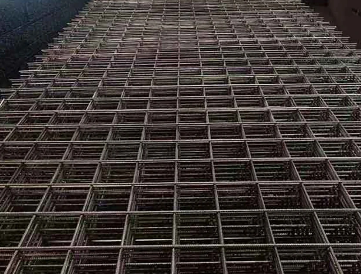
Wire Reinforcement in Industrial and Agricultural Uses
While wire reinforcement is essential in construction, its value extends far beyond that sector. In industrial settings, welded mesh panels are used for shelving, machine guards, and storage partitions due to their robustness and visibility. In agriculture, they serve as fencing for livestock, crop protection, and cage construction. Their rigid structure ensures safety while allowing airflow and light penetration, making them practical for animal enclosures and greenhouses. The adaptability of welded wire mesh also supports custom manufacturing—for example, creating racks, ventilation panels, and filtration screens. When made from stainless steel, it offers exceptional resistance to moisture and chemicals, making it ideal for marine, food processing, and chemical industries. From structural reinforcement to protective enclosures, wire reinforcement continues to provide dependable performance across diverse industrial landscapes.
Durability, Customization, and Environmental Benefits
The durability of welded wire mesh results from its manufacturing process and material composition. Each wire intersection is permanently welded, creating a mesh that resists separation and deformation under stress. Depending on the application, manufacturers offer multiple customization options, including mesh size, wire diameter, and surface finish. For instance, welded wire mesh for concrete typically features thicker gauge wires and tighter spacing, while fencing mesh may prioritize visibility and height. Galvanized coatings and stainless-steel variants significantly extend service life, offering strong protection against rust and corrosion. In addition to mechanical benefits, welded mesh is also an environmentally responsible choice. It is 100% recyclable, and its long lifespan reduces material waste and maintenance frequency. Easy to handle, transport, and install, it minimizes both project costs and environmental impact—an increasingly important factor in sustainable construction and industrial operations.
Welded Wire Mesh FAQs
What is welded wire mesh made of?
Welded wire mesh is typically made from low-carbon steel, galvanized steel, or stainless steel wires. The choice of material depends on the intended use—galvanized mesh offers excellent corrosion resistance for outdoor applications, while stainless steel mesh provides superior durability in environments exposed to moisture or chemicals.
How is welded wire mesh used in concrete reinforcement?
Welded wire mesh for concrete acts as a structural reinforcement material. It is embedded within the concrete to distribute loads evenly and reduce cracking caused by shrinkage or temperature changes. Its rigid grid pattern ensures consistent strength and stability across the concrete surface, enhancing the overall integrity of the structure.
What are the advantages of welded wire fabric over traditional rebar?
Welded wire fabric provides several advantages over conventional rebar reinforcement. It offers uniform strength distribution, easier installation, and reduced labor costs. Since it comes in prefabricated sheets, it minimizes on-site preparation time and ensures greater accuracy during placement.
Can welded wire mesh be customized for specific applications?
Yes, welded wire mesh can be customized according to project requirements. Manufacturers can adjust the wire gauge, mesh spacing, dimensions, and coating type. This flexibility allows it to meet diverse needs in construction, agriculture, and industrial production.
Is welded wire mesh an environmentally friendly material?
Absolutely. Welded wire mesh is recyclable, energy-efficient in production, and designed for long-term use. Its durability reduces the need for frequent replacement, lowering overall material waste and supporting sustainable development goals across industries.
-
Live Scene: Bulk Zinc Steel Fence Packing at Our Factory!
NewsApr.27,2026
-
How to Install Sheet Metal Along Bottom of Fence for Protection
NewsApr.16,2026
-
High Quality Sheet Fence Panels for Secure Boundary Protection
NewsApr.09,2026
-
Comprehensive Guide to Metal Furring Fence Systems and Applications
NewsApr.07,2026
-
Elevate Outdoor Aesthetics with Durable Decorative Metal Sheets Outdoor
NewsApr.04,2026
-
Australian Client Case Study: Vinyl Ranch Rail Fence Project
NewsJan.13,2026